Laboratory data accuracy forms the backbone of scientific research, regulatory compliance, and quality control across countless industries. Yet many laboratory professionals don’t fully understand how analytical instruments affect lab data accuracy or recognize the critical connection between instrument performance and measurement reliability.
At Aim Analytical, we’ve spent years studying this relationship through our work with reconditioned analytical instrumentation in Littleton, Colorado. Our experience with GC, GC/MS, HPLC, LC/MS QQQ, and ICPMS systems has shown us that even minor instrument performance issues can create significant data variability and compromise research outcomes.
Understanding this relationship helps laboratories make informed decisions about equipment maintenance, replacement, and optimization strategies that protect data integrity while managing costs effectively.
The Foundation of Analytical Data Accuracy
Analytical instrument accuracy in laboratories depends on three fundamental performance characteristics that work together to ensure reliable measurements. When any of these elements deteriorate, data quality suffers immediately.
Calibration precision represents the instrument’s ability to reproduce known reference standards consistently. Poor calibration leads to systematic errors that affect every measurement, making results unreliable regardless of operator skill or sample preparation quality.
Detector sensitivity determines how accurately an instrument can measure analytes at required concentration levels. Degraded sensitivity causes detection limits to drift, potentially missing important compounds or producing inconsistent quantification results.
System reproducibility ensures that identical samples produce identical results across multiple analyses. Without good reproducibility, laboratories cannot trust their data trends or make confident decisions based on analytical results.
Critical Performance Factors in Analytical Instrumentation
Several technical factors directly influence how analytical instruments affect lab data accuracy. Understanding these factors helps laboratory managers identify potential problems before they compromise critical analyses.
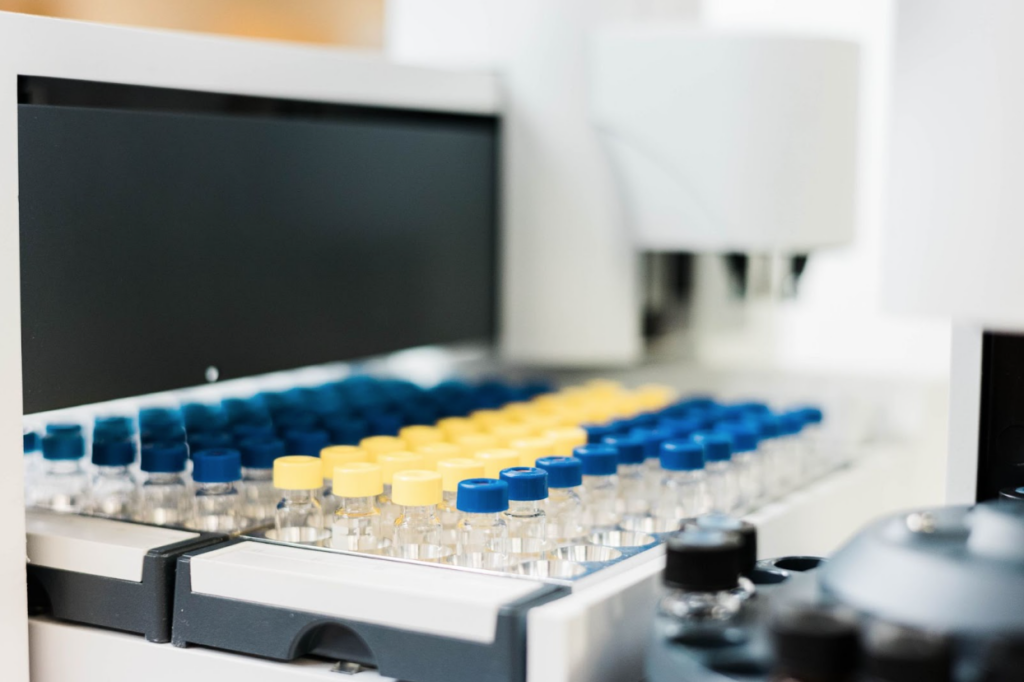
Temperature stability plays a crucial role in most analytical techniques. Temperature fluctuations can alter retention times in chromatography, affect ionization efficiency in mass spectrometry, and change detector response characteristics across all instrument types.
Flow rate consistency ensures reproducible sample introduction and separation conditions. Variations in flow rates cause peak shape distortions, retention time shifts, and quantification errors that reduce measurement accuracy.
Electronic stability affects detector performance and data acquisition quality. Electrical noise, baseline drift, and signal processing errors can mask real analytical signals or create false positives in complex samples.
Mechanical precision in moving parts like autosamplers, pumps, and valves directly impacts sample handling accuracy. Worn mechanical components introduce variable sample volumes and inconsistent injection timing.
Instrument-Specific Accuracy Considerations
Different analytical technologies face unique challenges that affect data quality in specific ways. We’ve observed distinct patterns of accuracy degradation across various instrument types during our refurbishment processes.
Gas Chromatography (GC) Systems
GC instruments rely heavily on temperature programming accuracy and carrier gas flow stability. Column degradation represents another significant factor, as stationary phase deterioration leads to peak tailing, reduced resolution, and poor quantitative accuracy.
Injection port contamination creates discrimination effects where different compounds show varying degrees of transfer efficiency. This contamination causes systematic errors that change over time, making calibration curves unreliable.
Detector performance varies significantly between detector types. Flame ionization detectors suffer from flame stability issues, while electron capture detectors show sensitivity changes due to contamination or radioactive source decay.
Gas Chromatography-Mass Spectrometry (GC/MS)
GC/MS systems combine chromatographic and mass spectrometric challenges. Ion source contamination affects ionization efficiency and can cause mass discrimination effects that alter quantitative accuracy.
Mass calibration stability becomes critical for accurate compound identification and quantification. Small mass shifts can lead to incorrect peak assignments and compromised data quality in complex samples.
Vacuum system performance directly impacts sensitivity and resolution. Poor vacuum conditions reduce detector response and increase background noise, limiting detection capabilities.
High Performance Liquid Chromatography (HPLC)
HPLC systems face unique challenges related to mobile phase composition accuracy and pump performance stability. Gradient formation errors create retention time variability and affect peak shapes.
Column equilibration issues cause baseline drift and retention time instability, particularly when switching between different mobile phase compositions or analyzing complex sample matrices.
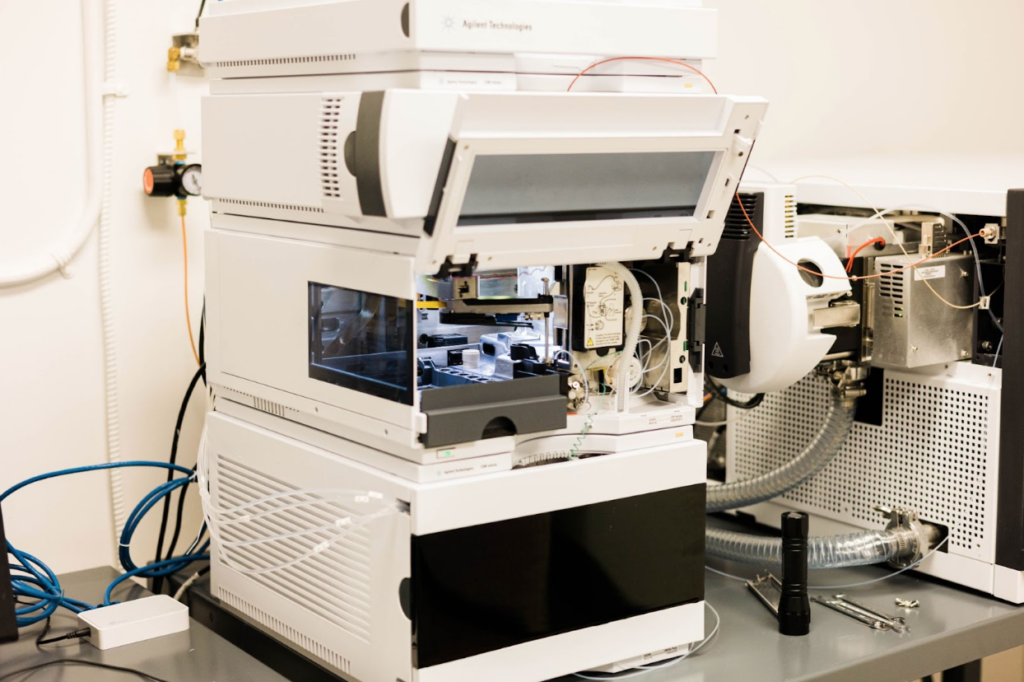
UV detector performance depends heavily on lamp stability and optical component cleanliness. Deuterium lamp degradation reduces sensitivity, while contaminated flow cells cause baseline noise and drift.
LC/MS Triple Quadrupole (LC/MS QQQ) Systems
LC/MS QQQ instruments combine liquid chromatography challenges with additional mass spectrometry complications. Ion suppression effects from matrix components can dramatically reduce sensitivity and cause quantification errors.
Electrospray ionization source performance varies with mobile phase composition, flow rate, and source contamination levels. These variations directly affect ionization efficiency and measurement accuracy.
Multiple reaction monitoring (MRM) optimization requires precise collision energy and transition selection. Poor optimization leads to reduced sensitivity and potential interference from matrix components.
Inductively Coupled Plasma Mass Spectrometry (ICPMS)
ICPMS instruments face unique challenges from plasma stability and sample introduction efficiency. Plasma fluctuations cause signal instability and affect ionization reproducibility across different elements.
Matrix effects represent a significant accuracy challenge in ICPMS analysis. High dissolved solids concentrations can suppress or enhance analyte signals, leading to quantification errors.
Mass calibration and resolution requirements vary depending on the elements being analyzed. Spectral interferences from polyatomic ions require careful optimization and correction procedures.
Common Accuracy Issues in Laboratory Settings
We encounter consistent accuracy problems across different laboratory environments that highlight how analytical instruments affect lab data accuracy in practical settings. These issues often develop gradually, making them difficult to detect without systematic monitoring.
The following numbered list shows the most frequent accuracy problems we observe:
1. Drift in calibration curves due to detector aging or contamination buildup
2. Retention time instability caused by column degradation or temperature control issues
3. Baseline noise increases from electronic component deterioration or contamination
4. Peak shape distortion resulting from worn injection systems or flow path restrictions
5. Sensitivity loss due to detector contamination or source degradation
6. Reproducibility problems from mechanical wear in moving components
7. Matrix interference effects that worsen as systems become contaminated
8. Mass accuracy drift in mass spectrometry systems requiring frequent recalibration
These problems compound over time, creating systematic errors that can invalidate analytical methods and compromise data integrity across entire projects.
The Cost of Instrument-Related Data Inaccuracy
Poor analytical instrument accuracy creates costs that extend far beyond initial measurement errors. Laboratories often underestimate these hidden expenses until accuracy problems create serious operational disruptions.
| Cost Category | Direct Impact | Long-term Consequences |
| Failed Analyses | Repeat sample preparation and analysis time | Lost productivity and delayed project timelines |
| Regulatory Issues | Non-compliance penalties and audit failures | Reputation damage and market access problems |
| Product Quality | Defective products reaching customers | Recalls, liability claims, and brand damage |
| Research Validity | Unreproducible experimental results | Wasted research investments and publication issues |
Method validation failures represent another significant cost factor. When instrument accuracy problems invalidate analytical methods, laboratories must invest substantial time and resources in revalidation efforts.
Customer confidence loss occurs when accuracy problems compromise service laboratory results. Rebuilding client trust requires extensive corrective actions and often permanent price concessions.
Research project delays multiply costs when instrument problems prevent timely data collection. Grant funding deadlines and publication schedules create pressure that forces expensive emergency solutions.
Maintenance Strategies for Optimal Accuracy
Preventing accuracy problems requires systematic maintenance approaches that address instrument performance before data quality suffers. We’ve identified key maintenance strategies that protect analytical instrument accuracy in laboratories.
Preventive maintenance scheduling should align with instrument usage patterns and analytical requirements. High-throughput laboratories need more frequent maintenance intervals than research facilities with occasional use patterns.
Performance monitoring through regular system suitability tests provides early warning of accuracy degradation. These tests should challenge instrument performance across the full analytical range required for routine analyses.
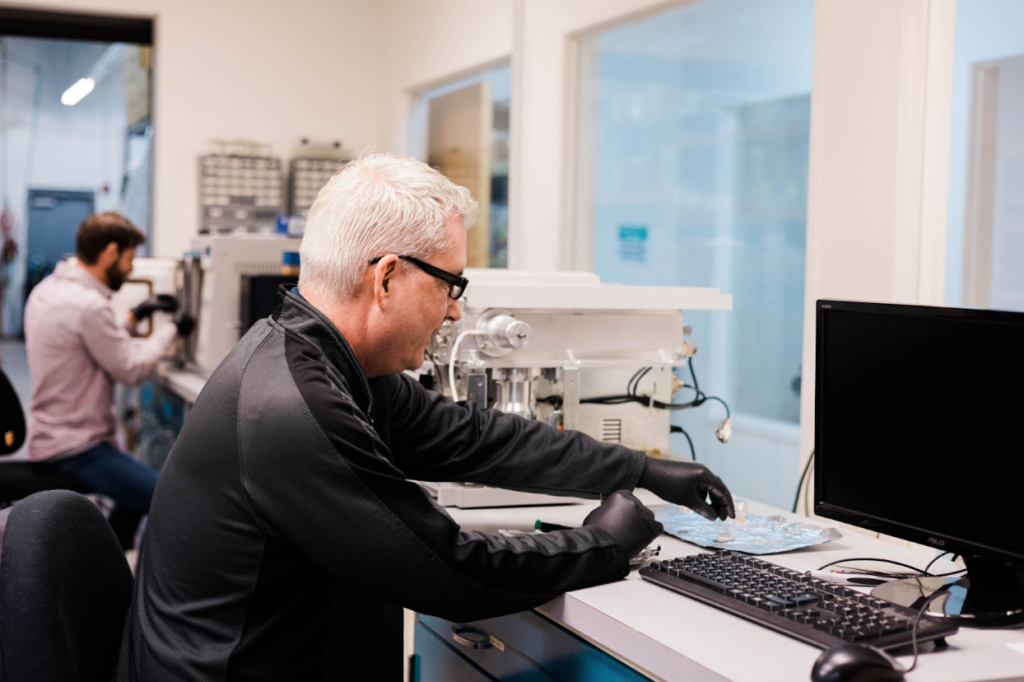
Calibration verification procedures ensure ongoing measurement traceability and accuracy. Independent reference materials help identify systematic errors before they affect sample results.
Environmental control maintenance protects instruments from temperature fluctuations, vibration, and contamination that degrade accuracy over time. Laboratory infrastructure directly impacts instrument performance.
Quality Control Measures for Data Integrity
Robust quality control programs help laboratories detect accuracy problems quickly and maintain confidence in analytical results. These measures work alongside instrument maintenance to ensure data reliability.
The following bullet points outline essential quality control elements:
- Control charts for tracking measurement precision and bias over time
- Duplicate sample analyses to monitor reproducibility and identify random errors
- Spike recovery tests using known standard additions to detect matrix effects
- Blank analyses to monitor contamination and background interference levels
- Reference material analyses to verify accuracy against certified values
- Inter-laboratory comparisons to validate measurement capabilities externally
- Method detection limit verification to ensure sensitivity requirements are met
- Carryover assessments to identify cross-contamination between samples
These quality control measures create multiple checkpoints that catch accuracy problems before they compromise critical analytical results.
The Role of Instrument Refurbishment in Accuracy Maintenance
Proper instrument refurbishment can restore analytical performance to original manufacturer specifications while providing cost-effective alternatives to new equipment purchases. Our refurbishment process at Aim Analytical addresses all critical factors affecting measurement accuracy.
Comprehensive system evaluation identifies components that impact accuracy performance. This evaluation covers mechanical, electronic, and analytical performance characteristics that affect data quality.
Component replacement focuses on parts that directly influence measurement accuracy rather than cosmetic improvements. Critical components like detectors, pumps, and electronic modules receive priority attention.
Performance testing verifies that refurbished instruments meet original accuracy specifications across their full analytical range. This testing includes precision, linearity, sensitivity, and reproducibility assessments.
Calibration optimization ensures that refurbished instruments achieve maximum accuracy potential. Proper calibration procedures establish measurement traceability and optimize performance parameters.
Comparing New vs. Refurbished Instrument Performance
Laboratory managers often question whether refurbished instruments can maintain the same accuracy standards as new equipment. Our experience demonstrates that properly refurbished instruments achieve equivalent performance when critical components are restored to specification.
| Performance Metric | New Instruments | Properly Refurbished | Poorly Refurbished |
| Calibration Linearity | Excellent (R² > 0.999) | Excellent (R² > 0.999) | Variable (R² < 0.995) |
| Precision (RSD %) | < 2% for most applications | < 2% for most applications | > 5% common |
| Detection Limits | Meet specification | Meet specification | Often degraded |
| Long-term Stability | Excellent | Excellent with proper refurbishment | Poor without component replacement |
The key difference lies in refurbishment quality rather than instrument age. Comprehensive refurbishment that addresses all accuracy-critical components produces performance equivalent to new instruments.
Component selection during refurbishment determines long-term accuracy performance. Using original manufacturer parts ensures compatibility and performance specifications.
Testing thoroughness separates professional refurbishment from simple repairs. Comprehensive testing verifies that all performance parameters meet original specifications.
Warranty coverage reflects refurbishment confidence and provides protection against accuracy problems. Our AIM Warranty demonstrates our commitment to delivering reliable analytical performance.
Budgeting for Analytical Accuracy
Laboratory budgets must balance equipment costs with accuracy requirements to achieve optimal analytical performance. Understanding the relationship between investment levels and accuracy outcomes helps guide these decisions.
Initial instrument costs represent only a fraction of total ownership expenses. Maintenance, consumables, and potential accuracy-related problems create ongoing financial obligations.
Refurbished instrument advantages include immediate availability, proven performance verification, and reduced capital investment requirements. These advantages help laboratories achieve accuracy goals within budget constraints.
Total cost of ownership calculations should include accuracy-related risks and their potential financial impact. Poor accuracy can create costs that exceed equipment savings many times over.
Performance guarantees provide financial protection against accuracy problems and reduce ownership risks. Comprehensive warranties transfer performance responsibility to equipment suppliers.
Future Trends in Analytical Accuracy
Analytical instrumentation continues evolving toward improved accuracy, reliability, and automation capabilities. Understanding these trends helps laboratories plan equipment strategies that maintain competitive analytical capabilities.
Automation integration reduces human error sources and improves measurement reproducibility. Advanced autosamplers and robotics systems minimize sample handling variability.
Real-time monitoring capabilities provide continuous performance feedback and early problem detection. Smart sensors and diagnostic systems alert operators to accuracy problems before data quality suffers.
Predictive maintenance algorithms use performance data to optimize maintenance scheduling and prevent accuracy degradation. These systems reduce unexpected downtime and maintain consistent performance.
Remote diagnostics enable expert troubleshooting and support without on-site visits. This capability speeds problem resolution and reduces accuracy-related downtime.
Building a Comprehensive Accuracy Program
Successful accuracy programs combine proper equipment selection, maintenance procedures, quality control measures, and staff training into integrated systems that protect data integrity.
Equipment evaluation should prioritize accuracy requirements over cost considerations when analytical performance directly impacts business outcomes. Cheap instruments often create expensive problems.
Staff training ensures that operators understand how their actions affect analytical accuracy and data quality. Proper training prevents operator-induced accuracy problems.
Documentation systems track accuracy performance over time and provide evidence of data quality for regulatory and quality purposes. Good records help identify accuracy trends and problems.
Continuous improvement processes use accuracy data to optimize analytical procedures and equipment performance. Regular review and updating maintain optimal accuracy levels.
Partner with Aim Analytical for Reliable Laboratory Performance
Understanding how analytical instruments affect lab data accuracy represents just the first step toward achieving reliable analytical performance. Implementation requires expertise, quality equipment, and ongoing support that many laboratories struggle to provide internally.
At Aim Analytical, we’ve built our reputation on delivering reconditioned instruments that meet original manufacturer accuracy specifications while providing significant cost advantages. Our rigorous refurbishment process and comprehensive testing ensure that your laboratory can achieve reliable, accurate results without compromising your budget.
Don’t let instrument accuracy problems compromise your laboratory’s data integrity and reputation. Request a quote today to discover how our reconditioned analytical instruments can provide the reliable performance your laboratory needs at a price you can afford.