When budget constraints meet the need for high-performance analytical equipment, laboratory managers face a critical decision: compromise on capabilities or find smarter purchasing strategies.
Refurbished HPLC systems offer a compelling solution that bridges this gap, delivering enterprise-grade performance at substantially reduced costs. However, not all refurbished equipment offers the same quality, and making the wrong choice can result in costly downtime, performance issues, and regulatory compliance challenges.
The stakes are high when selecting analytical instrumentation. Your choice affects everything from daily productivity to regulatory compliance, making it essential to approach the purchase with a systematic evaluation process.
At Aim Analytical, we’ve witnessed firsthand how proper evaluation and selection of refurbished HPLC systems can transform laboratory operations. Our experience working with hundreds of laboratories has taught us that success depends on understanding what separates quality refurbishment from basic reconditioning.
This comprehensive buying guide for refurbished HPLC systems will equip you with the knowledge needed to make informed decisions that maximize both your analytical capabilities and budget efficiency.
Let’s explore the key considerations that will guide you toward a refurbished HPLC system that meets your laboratory’s specific needs while delivering reliable and long-term performance.
Understanding Quality Refurbishment vs. Basic Reconditioning
Not all HPLC system refurbishment has the same results, and understanding these differences is crucial for making informed purchasing decisions.
Basic reconditioning typically involves cleaning equipment, replacing obviously worn components, and performing basic functionality tests. While this approach may restore basic operation, it often leaves underlying issues unaddressed and fails to optimize system performance.
Quality refurbishment goes far beyond surface-level improvements. At Aim Analytical, we completely reconstruct each HPLC system from scratch using the highest-quality components and the latest industry standards. This comprehensive rebuild process addresses every aspect of system performance, ensuring that refurbished equipment performs like new instruments.
The difference becomes apparent in long-term reliability and performance consistency. Systems that undergo thorough refurbishment experience fewer unexpected failures and maintain stable performance over extended periods. This reliability translates directly into reduced maintenance costs, improved productivity, and greater confidence in analytical results.
Our 9,400-square-foot analytical facility in Littleton, Colorado, houses specialized equipment and expertise necessary for complete system reconstruction. This dedicated space allows us to maintain strict quality control throughout the refurbishment process, ensuring every system meets our exacting performance standards.
Key Evaluation Criteria for Refurbished HPLC Systems
When evaluating potential refurbished HPLC systems, several critical factors determine whether you’re making a smart investment or setting yourself up for future problems. These evaluation criteria should serve as the foundation for your assessment process.
1. Component Quality and Replacement Standards
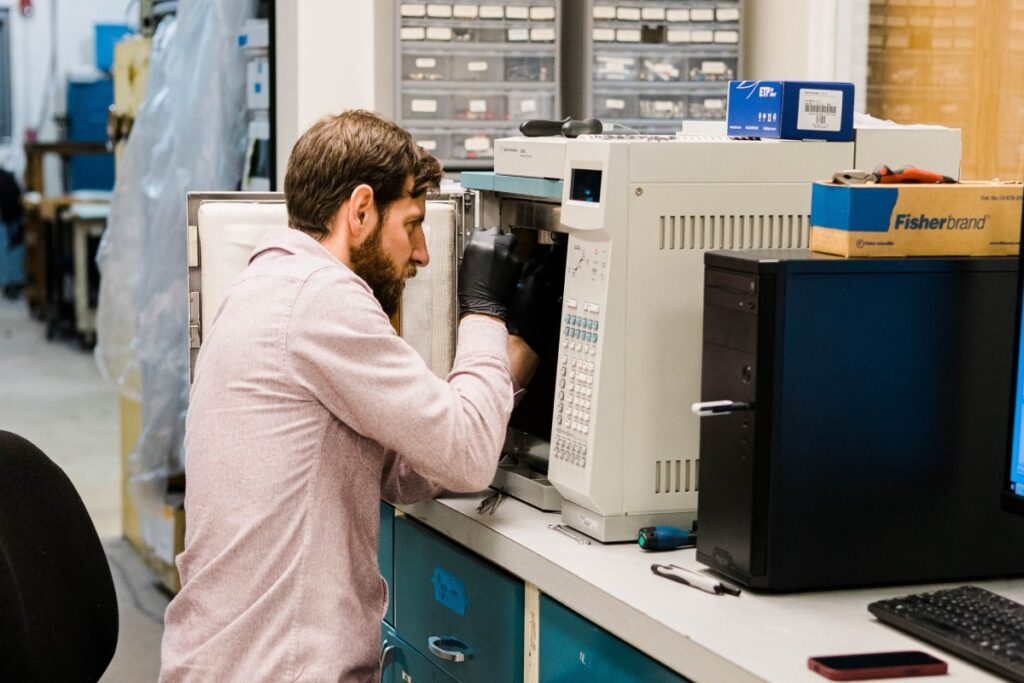
Examine which components are replaced during refurbishment and the standards that guide these decisions. Quality refurbishers replace components based on performance specifications rather than just visible wear. This proactive approach prevents future failures and ensures optimal performance.
Ask specific questions about pump seals, detector lamps, injection valves, and electronic components. These critical elements directly impact system performance and reliability. Systems refurbished with original manufacturer components or equivalent high-quality alternatives typically deliver superior long-term performance.
2. Testing and Validation Protocols
Comprehensive testing separates quality refurbishment operations from basic reconditioning services. Effective testing protocols should evaluate all system functions under actual operating conditions using real analytical methods.
Our facility houses specialized LC testing laboratories equipped with lab-grade benches, power systems, gases, standards, and solvents necessary for comprehensive HPLC performance evaluation. This testing environment allows us to identify and resolve performance issues before systems reach customer laboratories.
3. Documentation and Compliance Support
Regulatory compliance requirements make documentation a critical consideration when purchasing refurbished HPLC systems. Quality refurbishers provide detailed performance data packages that demonstrate system capabilities and support validation requirements.
Before any refurbished HPLC system ships from our facility, customers receive detailed chromatography data packages demonstrating system performance. This documentation provides the confidence and evidence needed for regulatory compliance while supporting your laboratory’s quality assurance programs.
4. Custom Configuration Capabilities
Modern analytical laboratories require equipment tailored to specific applications and workflows. The ability to customize system configurations during refurbishment can significantly enhance the value proposition of refurbished equipment.
Our custom configuration approach means every system is tailored specifically to the customer’s analytical requirements and applications. This customization capability allows laboratories to obtain precisely the instrumentation they need without paying for unnecessary features or compromising on essential capabilities.
The Complete Rebuild Process: What to Expect
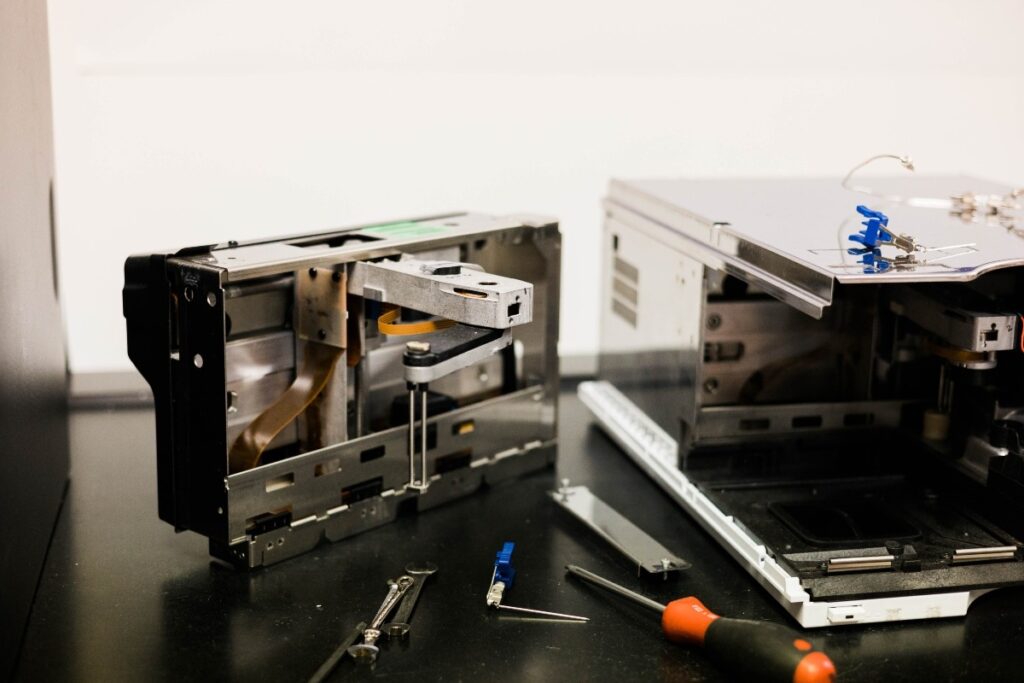
Understanding what happens during quality HPLC system refurbishment helps you evaluate different suppliers and set appropriate expectations. A comprehensive rebuild process addresses every aspect of system performance, not just obvious problems.
The process begins with complete system disassembly and thorough inspection of all components. This detailed assessment identifies components requiring replacement, calibration needs, and potential performance optimization opportunities. Unlike basic reconditioning, this approach addresses issues before they cause problems.
Critical system components undergo replacement based on performance specifications and reliability standards. This includes consumable items like pump seals and detector lamps, as well as electronic components that may be approaching end-of-life conditions. Using high-quality replacement components ensures long-term reliability.
Reassembly follows strict quality control procedures that ensure proper installation and optimal performance. Each connection, instrument calibration, and adjustment is verified against manufacturer specifications. This meticulous attention to detail prevents the minor issues that can compromise system performance.
Testing Protocols and Performance Validation
Comprehensive testing distinguishes quality refurbishment from basic reconditioning and provides the confidence needed for critical analytical work. Effective testing protocols should evaluate system performance under realistic operating conditions using actual analytical methods.
Our testing process is conducted by service engineers who are also experienced analytical chemists. This combination of technical expertise and practical analytical experience ensures that testing addresses real-world performance requirements rather than just basic functionality.
Performance testing includes precision and accuracy evaluations, detector linearity assessments, pump flow rate verification, and injection system repeatability testing. These comprehensive evaluations provide detailed insight into system capabilities and identify any remaining performance issues.
The testing process also validates system performance against manufacturer specifications, ensuring that refurbished equipment meets original performance standards. This validation provides confidence that the system will perform reliably in your laboratory environment.
Cost-Benefit Analysis: Refurbished vs. New HPLC Systems
Budget considerations often drive initial interest in refurbished equipment, but the complete cost-benefit analysis extends far beyond purchase price. Understanding the total cost of ownership helps you choose between a new and a refurbished HPLC system and ensure you optimize both immediate budget requirements and long-term laboratory efficiency.
| Cost Factor | New HPLC System | Quality Refurbished System | Basic Refurbished System |
| Initial purchase price | $50,000–$150,000+ | $25,000–$75,000 | $15,000–$45,000 |
| Expected downtime (year 1) | Minimal | Minimal | Moderate to high |
| Warranty coverage | 1–2 years full | 1 year full | 3–6 months limited |
| Performance consistency | Excellent | Excellent | Variable |
| Regulatory compliance documentation | Complete | Complete | Limited |
The initial cost savings from refurbished equipment can be substantial, often 40–60% compared to new instruments. However, these savings only represent true value when the refurbished HPLC system delivers reliable performance over its expected lifetime.
Quality refurbishment ensures that cost savings don’t come at the expense of performance or reliability. Systems that undergo comprehensive rebuild processes typically deliver performance comparable to new instruments while providing significant cost advantages.
Consider the total cost of ownership, including maintenance requirements, unexpected downtime costs, and productivity impacts. Quality refurbished systems minimize these hidden costs by delivering reliable performance and comprehensive support.
Custom Configuration Benefits for Laboratory Efficiency
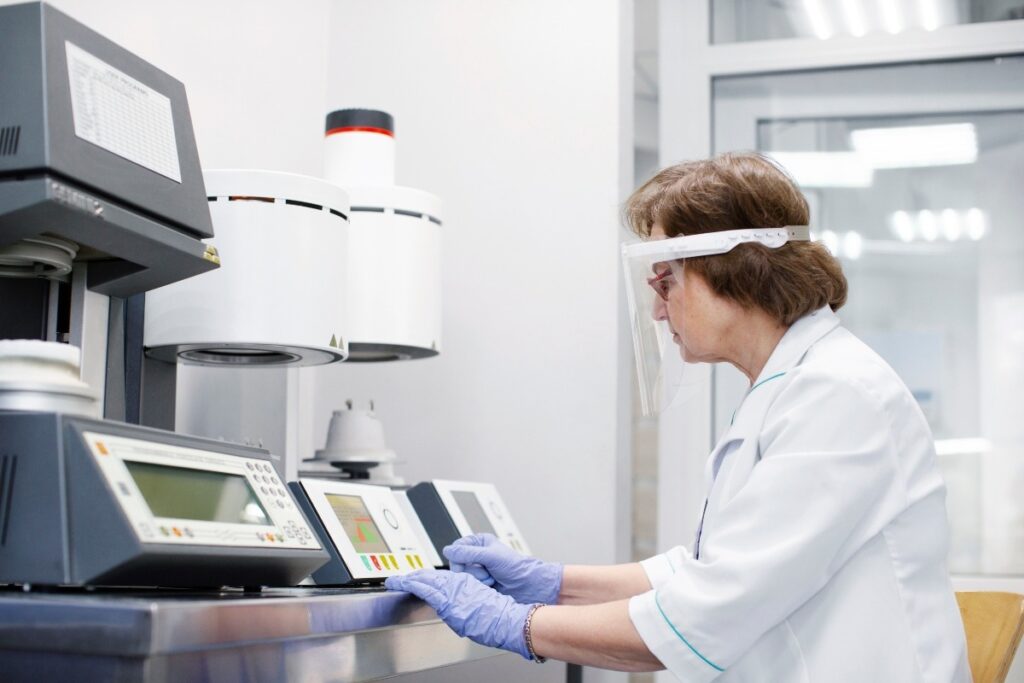
One significant advantage of working with quality refurbishment specialists is the ability to customize system configurations to match specific laboratory requirements. This customization capability can enhance efficiency and reduce costs by eliminating unnecessary features while optimizing essential capabilities.
Custom configurations enable laboratories to specify detector combinations, autosampler capabilities, column-compartment features, and software packages that meet their analytical requirements. This targeted approach ensures that you’re paying for capabilities you’ll actually use and getting all the features you need.
The configuration process should include consultation with experienced analytical chemists who understand how different system configurations impact analytical capabilities. This expertise helps optimize system specifications for your particular applications while avoiding costly over-specification or capability gaps.
Our custom configuration approach considers not just current analytical requirements but also potential future needs. This forward-thinking approach helps ensure that your refurbished system investment continues to meet laboratory needs as requirements evolve.
Warranty and Support Considerations
Warranty coverage and ongoing support are critical factors in the decision to purchase refurbished HPLC systems. These elements provide protection against unexpected problems and ensure access to expertise when you need it most.
Quality refurbishers stand behind their work with comprehensive warranty coverage, demonstrating confidence in their refurbishment process. Industry-leading warranties should cover both parts and labor for meaningful periods, typically one year or more for quality refurbished systems.
Support should include technical assistance from experienced service engineers who understand both the instrumentation and analytical applications. This combination of technical and applications expertise ensures that support addresses your specific needs rather than just generic equipment issues.
Consider the refurbisher’s location and service network when evaluating support capabilities. Local or regional support can significantly reduce response times and service costs while providing more personalized assistance.
Regulatory Compliance and Documentation Requirements
Regulatory compliance requirements make documentation and validation support crucial considerations when buying refurbished HPLC systems. Quality refurbishers understand these requirements and provide the documentation necessary to support your compliance programs.
Comprehensive performance documentation should include detailed test results that demonstrate system capabilities against relevant specifications. This documentation supports Installation Qualification (IQ), Operational Qualification (OQ), and Performance Qualification (PQ) processes required for regulated laboratories.
The refurbisher’s quality system should align with relevant standards and provide traceability for components, procedures, and test results. This quality framework ensures that documentation accurately represents system capabilities and supports regulatory requirements.
Consider whether the refurbisher can provide ongoing support for validation activities and regulatory inspections. This support can prove invaluable when responding to inspector questions or addressing compliance concerns.
Selecting the Right Refurbishment Partner
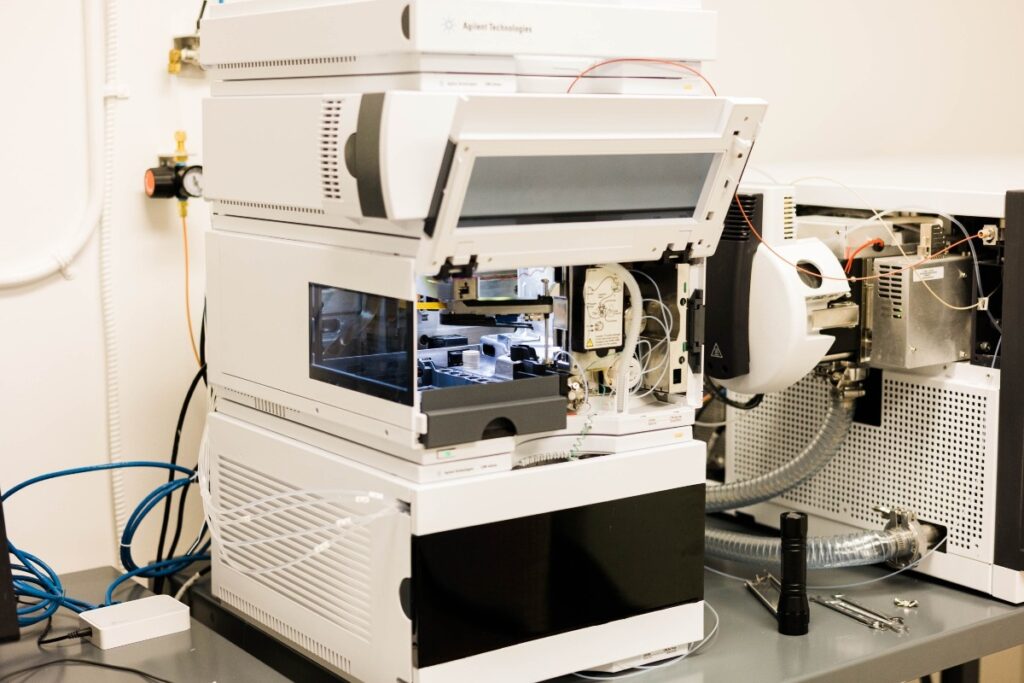
Your choice of refurbishment partner significantly impacts both immediate satisfaction and long-term success with refurbished HPLC systems. Evaluating potential partners requires careful consideration of capabilities, experience, and commitment to quality.
Look for refurbishers with dedicated facilities, specialized equipment, and experienced personnel. These elements indicate a serious commitment to quality refurbishment rather than to basic reconditioning. Facility size and capabilities often reflect the refurbisher’s ability to handle complex projects and maintain quality standards.
Experience with your specific HPLC models and applications provides valuable advantages in both refurbishment quality and ongoing support. Partners who understand your instrumentation and analytical requirements can provide more effective service and better system configuration optimization.
Consider the refurbisher’s reputation within the analytical community and their willingness to provide references from similar laboratories. Quality refurbishers build their reputation through consistent delivery of reliable equipment and excellent customer service.
Essential Questions to Ask Potential Suppliers
Thorough evaluation of potential suppliers requires asking specific questions that reveal their capabilities, processes, and commitment to quality. This buying guide for refurbished HPLC systems includes questions to help you distinguish between quality refurbishment and basic reconditioning.
Pre-Purchase Evaluation Questions
- What specific components are replaced during refurbishment?
- What testing protocols are used to validate system performance?
- Can you provide detailed performance documentation?
- What warranty coverage is included?
- How do you handle custom configuration requirements?
- What ongoing support is available after purchase?
- Can you provide references from similar laboratories?
- What quality systems govern your refurbishment process?
- How do you ensure regulatory compliance documentation?
- What is your process for handling post-sale technical issues?
These questions help evaluate both technical capabilities and service commitment. Quality suppliers welcome detailed questions and provide comprehensive answers that demonstrate their expertise and confidence in their processes.
Pay attention to how suppliers respond to technical questions and whether they demonstrate understanding of your specific requirements. Knowledgeable suppliers will ask questions about your applications and requirements rather than just providing generic responses.
Making the Final Decision
After evaluating suppliers and reviewing proposals, the final decision should consider both immediate needs and long-term objectives. The lowest price option rarely represents the best value when considering the total cost of ownership and performance requirements.
To determine the best supplier of refurbished lab equipment, create a structured evaluation matrix that weights factors by their importance to your laboratory. Consider factors like warranty coverage, testing documentation, custom configuration capabilities, support availability, and supplier reputation alongside purchase price.
This structured approach helps ensure that decisions consider all relevant factors rather than focusing solely on purchase price. The goal is to optimize value rather than minimize cost.
Review all documentation carefully and ensure that proposals include all necessary components, testing, documentation, and support. Clear specifications prevent misunderstandings and ensure that you receive exactly what you expect.
Post-Purchase Success Strategies
Success with refurbished HPLC systems extends beyond the initial purchase decision. Proper installation, validation, and ongoing maintenance practices maximize system performance and ensure reliable operation.
Work with your supplier to develop an installation and validation plan that addresses your specific requirements and timeline constraints. Quality suppliers provide installation support and validation assistance to ensure smooth system deployment.
Establish preventive maintenance schedules that protect your investment and maintain optimal performance. Regular HPLC maintenance prevents minor issues from becoming major problems while ensuring consistent analytical results.
Maintain relationships with your supplier for ongoing technical support and future equipment needs. Quality suppliers value long-term relationships and provide continued support that enhances your success with refurbished equipment.
Transform Your Lab’s Capabilities with Quality Refurbished HPLC Systems
Investing in refurbished HPLC systems represents a strategic opportunity to enhance your laboratory’s analytical capabilities while optimizing budget efficiency.
However, success depends on choosing quality refurbishment partners who understand the difference between basic reconditioning and comprehensive system reconstruction.
At Aim Analytical, our complete rebuild process and custom configuration approach ensure that laboratories receive equipment that performs like new at a fraction of the cost.
Our team of service engineers has vast experience in refurbishing laboratory equipment and provides the expertise and capabilities necessary for superior results.
Ready to explore how quality refurbished HPLC systems can transform your laboratory operations?
Contact us today to discuss your specific requirements and discover the Aim Analytical difference in refurbished analytical instrumentation.
Pricing estimates are approximate and may vary based on specific system configurations, market conditions, and individual supplier policies.