Contamination sources in analytical labs represent one of the most significant challenges facing laboratory professionals today. From subtle sample carryover to instrument degradation, these hidden threats can compromise analytical results and undermine laboratory credibility.
At Aim Analytical, we’ve spent years identifying and eliminating contamination issues during our comprehensive instrument refurbishment process. Operating from our state-of-the-art facility in Littleton, Colorado, we specialize in reconditioning critical analytical instruments, including GC, GC/MS, HPLC, LC/MS QQQ, and ICPMS systems.
Through our extensive experience with common contamination sources in analytical labs, we’ve developed a deep understanding of how these issues manifest and spread throughout laboratory environments. This comprehensive guide will help you recognize contamination risks early and implement effective prevention strategies.
Understanding the Impact of Laboratory Contamination
Laboratory contamination doesn’t just affect individual test results—it creates a cascade of problems that can impact entire analytical workflows. When contamination occurs, laboratories face increased costs from retesting, delayed reporting, and potential regulatory compliance issues.
The financial impact extends beyond immediate testing costs. Contaminated instruments require extensive cleaning, recalibration, and validation before returning to service. In severe cases, entire analytical runs may need to be repeated, creating significant operational disruptions.
More importantly, contamination can compromise the scientific integrity of research projects and quality control processes. Even trace-level contamination can produce false positives, skewed quantitative results, or mask the presence of target analytes.
Sample Carryover: The Silent Contamination Threat
Sample carryover represents one of the most common contamination sources in analytical labs. This occurs when residual material from previous samples interferes with subsequent analyses, creating ghost peaks or elevated baseline signals.
In chromatography systems, carryover typically occurs in injection ports, sample loops, and column systems. Even microscopic amounts of sample residue can produce significant analytical interference, particularly when analyzing samples with vastly different concentration levels.
Mass spectrometry systems face additional carryover challenges due to ion source contamination and memory effects. High-concentration samples can create persistent signals that appear in subsequent analyses, even after apparent system cleaning.
We’ve observed that carryover issues often develop gradually, making them difficult to detect until they significantly impact analytical results. Regular system monitoring and preventive maintenance protocols are essential for early detection and mitigation.
Prevention Strategies for Sample Carryover
The most effective approach to preventing sample carryover involves implementing systematic cleaning protocols between sample analyses. This includes thorough rinsing of sample introduction systems and regular replacement of consumable components.
For chromatography systems, establishing appropriate wash sequences with compatible solvents helps remove residual sample material. The wash volume and duration should be optimized based on sample characteristics and system configuration.
Mass spectrometry systems benefit from periodic ion source cleaning and maintenance. This includes removing accumulated sample residue and replacing degraded components that can harbor contaminants.
Solvent and Reagent Impurities
Solvent impurities represent another major category of analytical lab contamination causes. Even high-grade solvents can contain trace impurities that interfere with sensitive analytical methods, particularly in trace analysis applications.
Water quality issues are particularly problematic, as many laboratories underestimate the impact of ionic contaminants, organic residues, and microbial growth in water purification systems. These contaminants can appear as background peaks or create baseline instability.
Reagent degradation also contributes to contamination issues. Buffers, derivatization agents, and extraction solvents can decompose over time, producing interfering compounds that compromise analytical results.
At Aim Analytical, we’ve encountered numerous instruments contaminated by poor-quality solvents and reagents. Our refurbishment process includes thorough system purging and cleaning to eliminate these accumulated impurities.
| Solvent Type | Common Contaminants | Impact on Analysis |
| HPLC Water | Metal ions, organics | Baseline drift, ghost peaks |
| Acetonitrile | Acetone, acetamide | Interference in MS detection |
| Methanol | Formaldehyde, water | Peak tailing, reduced sensitivity |
| Hexane | Aromatic compounds | Background interference |
Solvent Quality Management
Establishing rigorous solvent quality control procedures helps prevent contamination issues before they impact analytical results. This includes regular testing of incoming solvents and monitoring storage conditions to prevent degradation.
Water purification systems require regular maintenance and monitoring to ensure consistent quality. This includes filter replacement, UV lamp maintenance, and microbiological testing to prevent contamination buildup.
Implementing proper solvent storage protocols helps maintain quality and prevent contamination. This includes using appropriate containers, controlling temperature and light exposure, and establishing expiration dating systems.
Instrument-Related Contamination Sources
Instrument degradation creates numerous contamination sources in analytical labs that can be difficult to identify and remediate. As analytical systems age, seals deteriorate, surfaces become contaminated, and internal components begin to shed particles or outgas contaminants.
Column bleeding in chromatography systems represents a common degradation-related contamination issue. As stationary phases break down, they release compounds that appear as baseline rise or interfering peaks in analytical results.
Mass spectrometry systems face unique degradation challenges, including ion source contamination, detector fouling, and vacuum system contamination. These issues can gradually reduce sensitivity and create spectral interference.
Our experience at Aim Analytical has shown that many laboratories continue operating degraded instruments long past their optimal performance window. This creates persistent contamination issues that affect multiple analytical methods.
Environmental Contamination Factors
Laboratory environments themselves can introduce significant contamination sources that many professionals overlook. Airborne particles, cleaning chemicals, and construction activities can all impact sensitive analytical instruments.
HVAC systems can distribute contaminants throughout laboratory spaces, including particulates, volatile organic compounds, and microorganisms. Poor air filtration or inadequate air exchange rates exacerbate these problems.
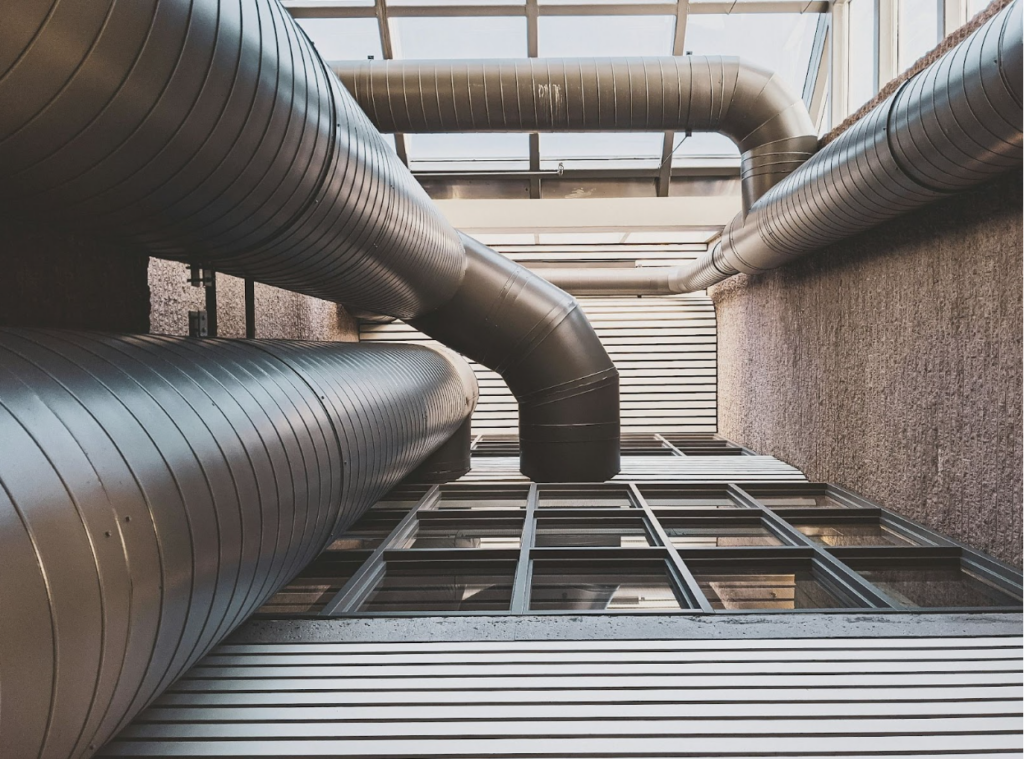
Laboratory cleaning practices sometimes introduce contamination rather than preventing it. Inappropriate cleaning chemicals, inadequate rinsing, and poor technique can leave residues that interfere with analytical methods.
Chemical storage and handling practices within laboratory spaces can create contamination pathways through vapor release, spills, and cross-contamination between different analytical areas.
Environmental Control Strategies
Implement appropriate air filtration systems with regular filter replacement schedules
- Establish controlled access protocols to limit contamination introduction
- Use laboratory-appropriate cleaning chemicals and procedures
- Monitor environmental conditions, including temperature, humidity, and air quality
- Separate incompatible analytical methods to prevent cross-contamination
- Maintain proper chemical storage with adequate ventilation and containment
Personnel-Related Contamination Issues
Human activities often represent overlooked common contamination sources in analytical labs. From personal care products to improper technique, personnel can inadvertently introduce contaminants that compromise analytical results.
Cosmetics, lotions, and perfumes contain numerous chemicals that can interfere with analytical methods, particularly in trace analysis applications. These compounds can transfer to instruments through direct contact or volatilization.
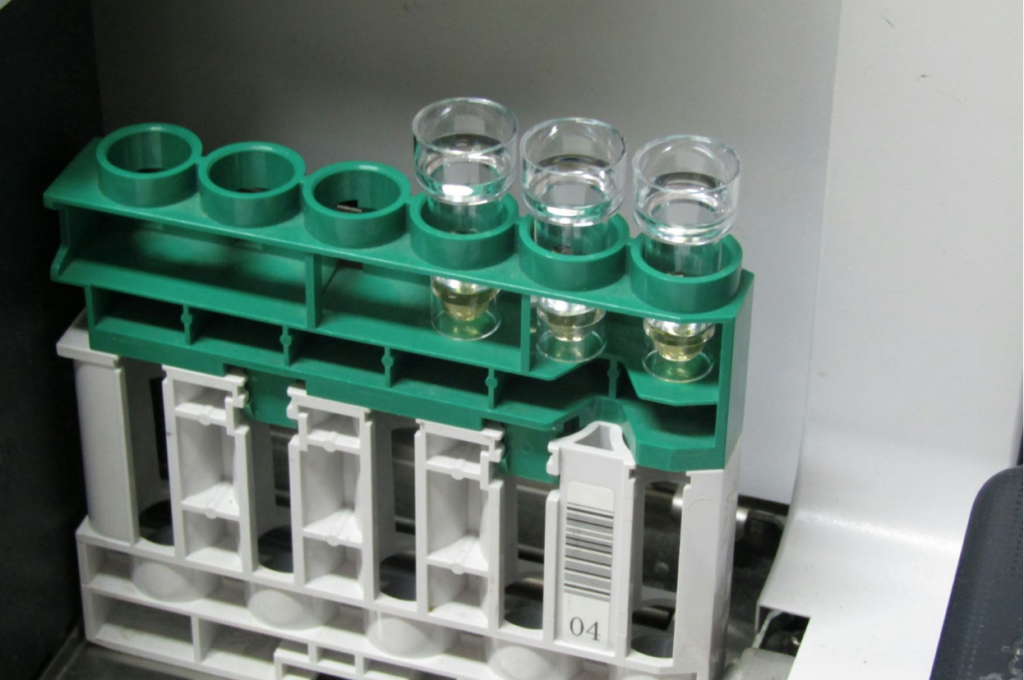
Improper gloving and hand hygiene practices can transfer contaminants between samples and introduce foreign materials into analytical systems. This is particularly problematic when handling sensitive samples or cleaning critical instrument components.
Inconsistent technique and procedural variations can create contamination pathways that are difficult to identify and control. This includes improper sample handling, inadequate cleaning procedures, and failure to follow established protocols.
Contamination Detection and Monitoring
Early detection of contamination issues requires systematic monitoring approaches that can identify problems before they significantly impact analytical results. This includes regular blank analyses, system suitability testing, and performance monitoring.
Blank analyses provide the most direct method for detecting contamination issues. Regular procedural blanks, instrument blanks, and method blanks help identify contamination sources and monitor system cleanliness.
System suitability testing helps identify performance degradation that may indicate developing contamination issues. This includes monitoring peak shape, retention time stability, and baseline characteristics.
At Aim Analytical, our comprehensive testing procedures specifically target contamination detection during instrument refurbishment. We use rigorous protocols to identify and eliminate contamination sources before returning instruments to service.
Comprehensive Prevention Protocol
Implementing a systematic approach to contamination prevention requires coordination across all laboratory operations. This comprehensive protocol addresses the most critical contamination pathways:
1. Establish regular instrument maintenance schedules that include thorough cleaning and component replacement
2. Implement quality control procedures for all solvents, reagents, and consumables entering the laboratory
3. Develop standard operating procedures that address contamination prevention in all analytical methods
4. Train personnel on proper technique and contamination awareness
5. Monitor environmental conditions and implement appropriate control measures
6. Establish contamination detection protocols, including regular blank analyses and system monitoring
7. Maintain detailed documentation of all contamination incidents and corrective actions
8. Conduct regular system evaluations to identify potential contamination sources before they impact results
Advanced Contamination Remediation Strategies
When contamination issues occur despite prevention efforts, systematic remediation approaches help restore analytical system performance quickly and effectively. The key is identifying the contamination source accurately before implementing corrective actions.
For chromatography systems, contamination remediation often involves progressive cleaning steps, starting with mild solvents and advancing to more aggressive cleaning agents as needed. Column replacement may be necessary for severe contamination issues.
Mass spectrometry systems require specialized cleaning procedures that address ion source contamination, mass analyzer fouling, and detector contamination. This often involves disassembly and manual cleaning of critical components.
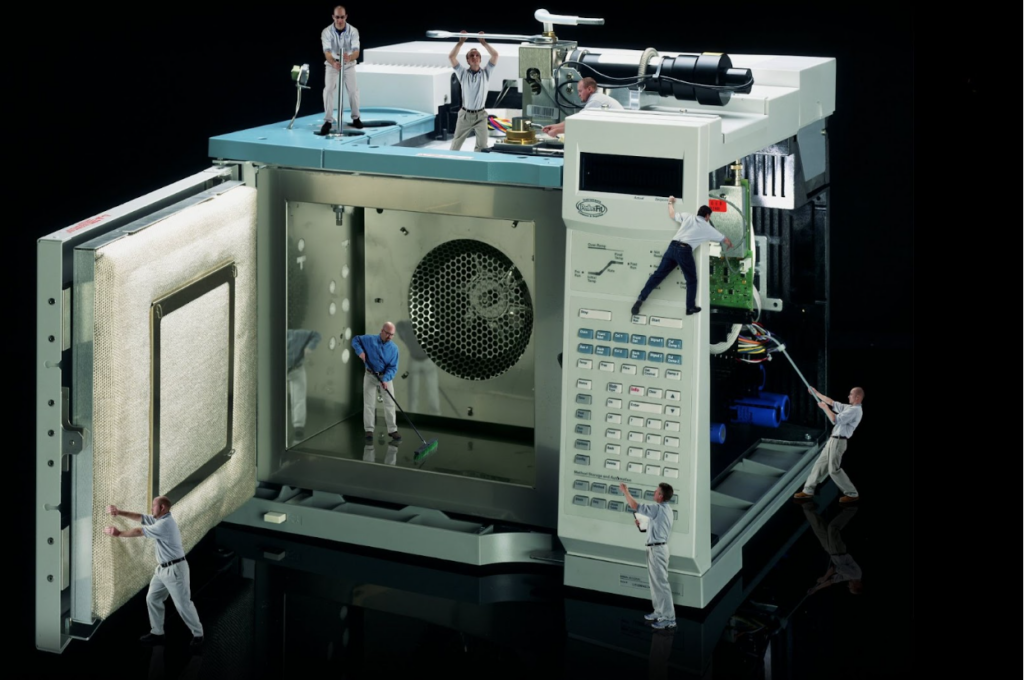
Our refurbishment process at Aim Analytical incorporates advanced remediation techniques that address even severe contamination issues. We use specialized cleaning protocols and replacement components to restore instruments to manufacturer specifications.
| Instrument Type | Common Remediation Steps | Success Indicators |
| GC/GC-MS | Inlet cleaning, column replacement, ion source maintenance | Improved peak shape, reduced background |
| HPLC/LC-MS | System purging, column cleaning, source cleaning | Baseline stability, peak resolution |
| ICPMS | Torch cleaning, cone replacement, detector maintenance | Sensitivity recovery, reduced interference |
Quality Assurance and Documentation
Effective contamination management requires comprehensive documentation and quality assurance protocols. This includes maintaining records of contamination incidents, corrective actions, and prevention measures.
Documentation should include detailed information about contamination sources, affected samples, and remediation steps taken. This information helps identify recurring issues and guides future prevention efforts.
Regular review of contamination incidents helps identify systemic issues that require process improvements or equipment upgrades. This proactive approach prevents recurring problems and improves overall laboratory performance.
At Aim Analytical, we provide detailed documentation of all contamination issues identified and resolved during our refurbishment process. This includes comprehensive testing data and warranty coverage for our contamination remediation work.
Future-Proofing Your Laboratory Against Contamination
Modern analytical laboratories must take a proactive approach to contamination management that anticipates future challenges and incorporates emerging best practices. This includes staying current with new contamination sources and prevention technologies.
Regular equipment evaluation and upgrade planning helps prevent contamination issues associated with aging instrumentation. Establishing replacement schedules based on performance criteria rather than arbitrary timelines ensures optimal analytical performance.
Training programs should evolve to address new contamination challenges and incorporate lessons learned from contamination incidents. This includes both technical training and awareness programs for all laboratory personnel.
Investment in quality infrastructure, including appropriate environmental controls and high-grade consumables, provides long-term protection against contamination issues while supporting reliable analytical operations.
Partner with Contamination Experts
Managing contamination sources in analytical labs requires expertise, experience, and the right equipment. At Aim Analytical, we’ve built our reputation on helping laboratories overcome even the most challenging contamination issues.
Our comprehensive refurbishment process targets analytical lab contamination causes at their source, ensuring each reconditioned instrument meets the highest purity standards. Through our detailed testing procedures and AIM Warranty, we provide contamination-free analytical solutions that laboratories can depend on.
Don’t let contamination compromise your analytical results. Request a quote today and discover how our contamination expertise can help your laboratory achieve reliable, accurate results every time.