Training staff on complex analytical instruments presents unique challenges that can make or break your laboratory’s productivity. At Aim Analytical, we’ve spent decades working with sophisticated systems such as GC, GC/MS, HPLC, LC/MS-QQQ, and ICP-MS, and we’ve learned that successful training goes far beyond simply showing someone which buttons to press.
The reality is that most laboratories struggle with instrument training because they approach it as a one-size-fits-all process. We’ve seen countless situations where expensive equipment sits underutilized because staff lack the confidence to operate it effectively, or worse, where improper operation leads to costly downtime and repairs.
Our experience refurbishing and testing these advanced systems to manufacturer specifications has taught us that effective training requires a systematic approach that bridges the gap between theoretical knowledge and practical application. When you properly train staff on analytical instruments, you’re not just teaching procedures – you’re building the foundation for reliable, efficient laboratory operations.
Understanding the Training Challenge
Complex analytical instruments like GC/MS and LC/MS QQQ systems represent significant investments for any laboratory. These sophisticated machines require operators who understand not just the basic procedures but also the underlying principles that govern their operation.
The challenge becomes even greater when you consider that many technicians come from diverse educational backgrounds. Some may have strong theoretical knowledge but limited hands-on experience, while others might have practical skills but lack understanding of the fundamental science behind the instruments.
We’ve found that traditional training methods often fail because they focus too heavily on memorizing procedures without building genuine understanding. This approach leaves technicians unprepared for unexpected situations, resulting in increased downtime and reduced productivity.
Phase 1: Pre-Training Assessment and Planning
Before beginning any training program, we recommend conducting a thorough assessment of your staff’s current knowledge and experience levels. This evaluation should cover both theoretical understanding and practical experience with similar instruments.
Start by evaluating each trainee’s background in analytical chemistry, their familiarity with chromatography principles, and any previous experience with similar instrumentation. This assessment helps identify knowledge gaps that need special attention during training.
Consider the specific requirements of your laboratory operations. Different applications require different skill sets, and your training program should reflect these needs. For example, technicians working with environmental samples may need different troubleshooting skills compared to those handling pharmaceutical analyses.
Document your findings to create individualized training plans. Some staff members may need extensive foundational training, while others might benefit from advanced troubleshooting techniques. This personalized approach ensures efficient use of training time and better outcomes.
Phase 2: Building Theoretical Foundation
A solid theoretical foundation is essential for confident operation of complex analytical instruments. We structure this phase to build understanding progressively, starting with fundamental concepts and advancing to system-specific knowledge.
Begin with the basic principles of analytical chemistry relevant to your instruments. For chromatography systems such as HPLC and GC, this includes separation theory, mobile-phase interactions, and detection principles. For mass spectrometry systems, cover ionization techniques, mass analysis, and fragmentation patterns.
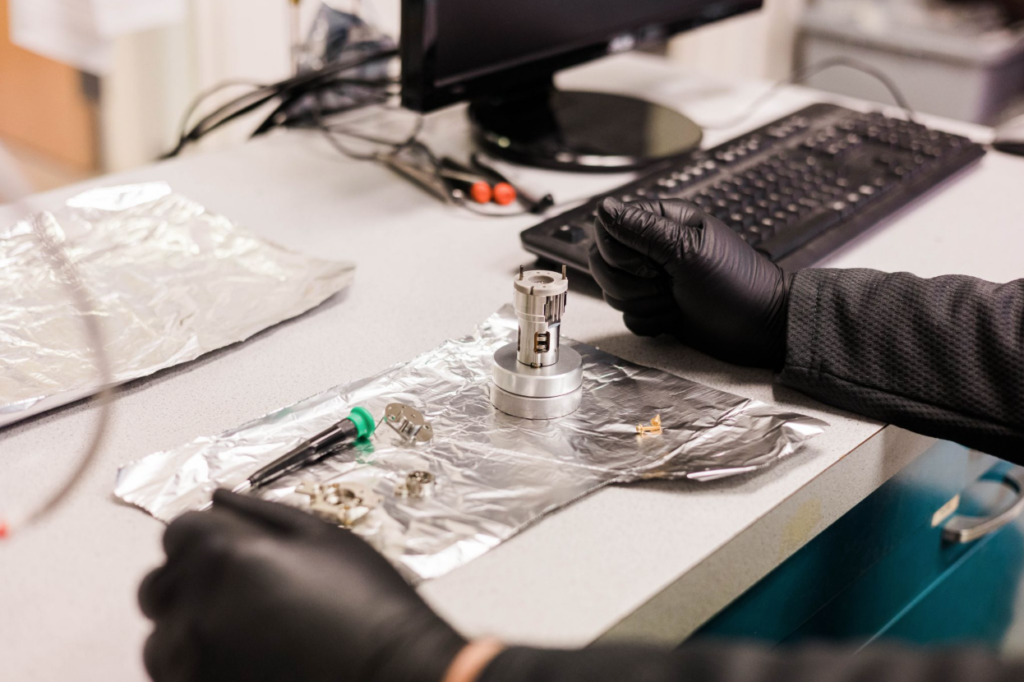
Connect theoretical concepts to practical applications that your laboratory encounters regularly. Use real examples from your typical sample types and analytical methods to make the learning relevant and memorable.
Ensure trainees understand the relationship between theory and instrument parameters. When they grasp why certain settings affect separation quality or detection sensitivity, they’ll make better decisions during method development and troubleshooting.
Phase 3: Hands-On Learning Implementation
The hands-on phase represents the core of effective analytical instrument training guide methodology. This is where theoretical knowledge transforms into practical skills through structured, supervised practice.
We recommend starting with basic instrument familiarization. Have trainees identify major components, understand their functions, and learn proper startup and shutdown procedures. This builds confidence before moving to more complex operations.
Progress to sample preparation and injection techniques. These skills are critical for reliable results, yet they’re often overlooked in training programs. Proper technique here prevents many common problems that can affect data quality.
Systematically move through method setup, parameter optimization, and data acquisition. Allow plenty of time for practice with different sample types and analytical conditions. The goal is to build muscle memory and an intuitive understanding of instrument behavior.
Essential Hands-On Training Components:
- Instrument startup and shutdown procedures
- Sample preparation and handling techniques
- Method parameter setup and optimization
- Data acquisition and processing
- Routine maintenance procedures
- Basic troubleshooting protocols
Phase 4: Troubleshooting Protocol Development
Troubleshooting skills separate competent technicians from those who struggle with complex instruments. We’ve learned through our refurbishment work that most instrument problems fall into predictable categories, making systematic troubleshooting approaches highly effective.
Teach a logical, step-by-step approach to problem identification. Start with the most common issues and their typical symptoms. For chromatography systems, this might include peak shape problems, baseline noise, or retention time shifts.
Create troubleshooting flowcharts specific to your instruments and applications. These visual guides help technicians systematically work through problems, reducing guesswork and preventing unnecessary component replacements.
Practice troubleshooting with controlled scenarios. Introduce common problems deliberately and guide trainees through the diagnostic process. This hands-on practice builds confidence and reinforces proper troubleshooting methodology.
Common Troubleshooting Categories by Instrument Type:
| Instrument | Common Issues | Primary Causes | First Check |
| HPLC | Poor peak shape | Column degradation, mobile phase issues | Column pressure, mobile phase composition |
| GC/MS | Low sensitivity | Source contamination, detector issues | Source cleanliness, tune parameters |
| LC/MS QQQ | Mass accuracy problems | Calibration drift, ion source issues | Mass calibration, source parameters |
| ICPMS | High background | Plasma instability, contamination | Plasma parameters, sample introduction |
Phase 5: Maintenance Procedure Training
Proper maintenance is crucial for consistent instrument performance and longevity. Our experience refurbishing instruments has shown us that most premature failures result from inadequate or improper maintenance rather than component defects.
Start with daily maintenance routines that keep instruments operating reliably. These procedures should become second nature to your technicians. Daily tasks typically include system checks, mobile phase preparation, and basic cleaning procedures.
Cover weekly and monthly maintenance schedules that address more thorough cleaning and inspection requirements. These procedures often require more time and attention but are essential for long-term instrument health.
Train staff to recognize signs that indicate when maintenance is needed beyond the regular schedule. Unusual noises, pressure fluctuations, or performance changes often signal developing problems that preventive maintenance can address before they cause major issues.
Phase 6: Competency Validation Methods
Competency validation ensures that your training program produces technicians who can operate instruments safely and effectively. We recommend a multi-faceted approach that tests both knowledge and practical skills.
Develop written assessments that cover theoretical knowledge, safety procedures, and troubleshooting principles. These tests should reflect real-world scenarios your technicians will encounter rather than abstract theoretical concepts.
Create practical evaluations where trainees demonstrate their ability to operate instruments independently. These assessments should include routine operations, method setup, and basic troubleshooting under supervision.
Establish ongoing competency monitoring through regular performance reviews and skills assessments. Competency isn’t a one-time achievement – it requires continuous reinforcement and updating as technology and methods evolve.
Competency Validation Timeline:
1. Week 1-2: Basic operation and safety assessment
2. Week 3-4: Method setup and optimization evaluation
3. Week 5-6: Troubleshooting scenario testing
4. Week 7-8: Independent operation validation
5. Month 3: Comprehensive skills review
6. Month 6: Advanced competency assessment
7. Annual: Complete skills recertification
Maximizing Training Effectiveness
Several factors can significantly improve training outcomes and reduce the time required to develop competent technicians. We’ve identified these through our extensive work with laboratories implementing new instrumentation.
Create comprehensive training documentation that serves as ongoing reference material. Well-written procedures and troubleshooting guides support technicians long after formal training ends and help maintain consistency across multiple operators.
Use progressive complexity in training exercises. Start with simple, straightforward analyses and gradually introduce more challenging samples and methods. This approach builds confidence while systematically developing skills.
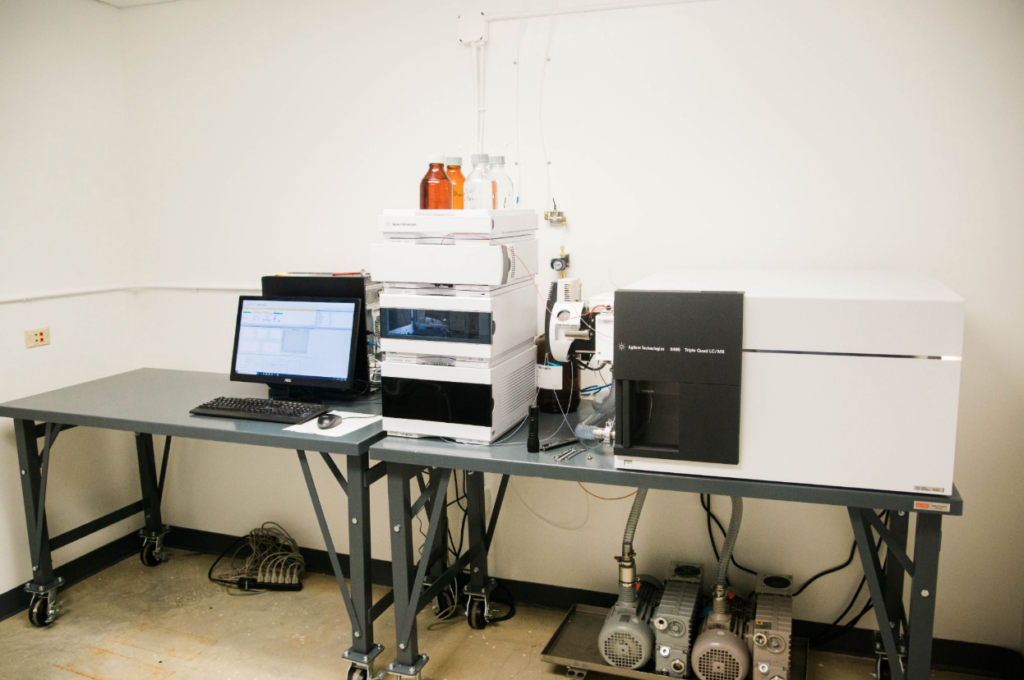
Encourage questions and provide opportunities for clarification throughout the training process. Complex instruments involve many interdependent systems, and understanding these relationships takes time to develop fully.
Training Program Management
Effective training program management ensures consistent results and efficient use of resources. We recommend establishing clear timelines, measurable objectives, and regular progress assessments.
Assign experienced mentors to work closely with trainees during hands-on phases. These mentors should have deep knowledge of your specific instruments and applications, allowing them to provide relevant guidance and feedback.
Schedule regular review sessions to reinforce learning and address any developing bad habits before they become established. Early intervention prevents problems that can be difficult to correct later in the training process.
Training Resource Requirements:
| Training Phase | Time Required | Resources Needed | Success Metrics |
| Pre-assessment | 2-4 hours | Assessment materials, supervisor time | Knowledge gaps identified |
| Theoretical foundation | 1-2 weeks | Training materials, classroom space | Written exam pass (>80%) |
| Hands-on training | 3-4 weeks | Instrument time, supervisor guidance | Practical skills demonstration |
| Troubleshooting | 1-2 weeks | Controlled problem scenarios | Problem resolution success |
| Maintenance training | 1 week | Maintenance supplies, procedures | Procedure completion accuracy |
| Competency validation | Ongoing | Assessment tools, evaluation time | Independent operation capability |
Common Training Pitfalls to Avoid
Many training programs fail due to predictable mistakes that we’ve observed across different laboratory settings. Understanding these pitfalls helps you design more effective training approaches.
Avoid rushing through the theoretical foundation phase. While hands-on training is important, technicians need a solid understanding of underlying principles to troubleshoot effectively and make good decisions during method development.
Don’t underestimate the importance of proper documentation. Well-written procedures and reference materials support technicians long after formal training ends and help maintain consistency when multiple operators use the same instruments.
Resist the temptation to skip competency validation due to time pressures. Incomplete training often leads to more problems than it solves, including increased downtime, poor data quality, and potential safety issues.
Building Long-term Success
Successful analytical instrument training extends beyond initial competency development. We’ve learned that ongoing support and continuing education are essential for maintaining high performance levels over time.
Establish regular refresher training sessions to reinforce important concepts and introduce new techniques or capabilities. Technology continues advancing, and your staff needs opportunities to stay current with best practices.
Create opportunities for peer learning and knowledge sharing within your laboratory team. Experienced technicians often develop valuable insights and shortcuts that can benefit newer team members.
Maintain relationships with instrument manufacturers and training providers who can offer advanced courses and updates on new developments. This external input helps keep your training program current and comprehensive.
Ready to Transform Your Laboratory Training?
Implementing a comprehensive training program for complex analytical instruments requires expertise, time, and resources that many laboratories struggle to provide internally. At Aim Analytical, our decades of hands-on experience with GC, GC/MS, HPLC, LC/MS QQQ, and ICPMS systems have taught us what works and what doesn’t when it comes to developing confident, competent technicians.
Our proven training methodologies bridge the gap between theoretical knowledge and practical application, ensuring your staff can operate, maintain, and troubleshoot sophisticated instrumentation effectively.
We’ve helped laboratories worldwide maximize instrument utilization while minimizing operational downtime through comprehensive educational programs tailored to their specific needs.
Don’t let inadequate training limit your laboratory’s potential.Request a quote today to learn how our expertise can help you develop the skilled workforce your complex analytical instruments require for optimal performance.