High-performance liquid Chromatography (HPLC) instruments are the backbone of many analytical laboratories. These sophisticated machines help scientists separate, identify, and quantify components in complex mixtures.
However, like any precision instrument, HPLC systems require regular care to perform at their best.
Think of HPLC maintenance like caring for a high-end sports car. You wouldn’t skip oil changes or ignore warning signs, would you? The same principle applies to your chromatography equipment. Proper maintenance keeps your instrument running smoothly, extends its lifespan, and ensures reliable results.
Why HPLC Maintenance Matters
Laboratory managers often underestimate the actual cost of poor maintenance. When HPLC instruments break down unexpectedly, the consequences go far beyond repair bills. You’re looking at lost productivity, missed deadlines, and potentially compromised data quality.
Regular maintenance prevents the most common problems before they become expensive headaches. A well-maintained HPLC system delivers consistent performance, reduces contamination risks, and maintains the precision your work demands.
The financial benefits are clear, too. Preventive maintenance costs a fraction of emergency repairs. Plus, instruments that receive proper care hold their value better and last significantly longer than those that are neglected.
Understanding Your HPLC System Components
Before we explore maintenance tasks, let’s review the key components that need your attention. No matter if your instrument is refurbished or new, each part plays a crucial role in its performance.
The pump is your system’s heart, delivering mobile phase at precise flow rates and pressures. Pumps are constantly subjected to pressure changes and solvent exposure, making them particularly vulnerable to wear.
Your injector introduces samples into the mobile phase stream. This component handles different sample types and volumes, so it needs regular cleaning to prevent cross-contamination and maintain injection precision.
The column separates your sample components. While columns are consumable items, proper care extends their useful life and maintains separation quality.
The detector measures separated components as they exit the column. Different detector types (UV, fluorescence, mass spectrometry) have specific maintenance needs, but all require clean optical surfaces and stable operating conditions.
Don’t forget about your degasser, which removes dissolved gases that can cause baseline noise and pump problems. These units need periodic attention to maintain their effectiveness.
Daily HPLC Maintenance Tasks
Starting each day with a consistent routine sets the foundation for reliable performance. These daily tasks take just a few minutes but prevent many common issues.
Begin by checking system pressure and flow rate stability. Unusual readings often signal developing problems. Document these values in your maintenance log for trend analysis.
Inspect all connections for leaks. Even small leaks can affect performance and damage your instrument over time. Tighten loose fittings and replace worn ferrules as needed.
Verify that your mobile-phase reservoirs have sufficient solvent levels. Running pumps dry can cause severe damage. Check solvent quality too – contaminated or expired solvents cause baseline issues and column damage.
Clean your injection port and sample vials. Residue buildup leads to carryover and poor peak shapes. Use appropriate solvents for your sample types.
Review your previous day’s chromatograms for any unusual patterns. Baseline drift, peak broadening, or retention time shifts often indicate maintenance needs.
End each day by flushing your system with appropriate solvents. This removes sample residues and prepares your instrument for the next day’s work.
Weekly HPLC Maintenance Schedule
Weekly maintenance tasks address areas that don’t need daily attention but require regular monitoring. These tasks help catch problems early and maintain optimal performance.
System Performance Verification
Run standard solutions to check retention times, peak areas, and resolution. Compare results to your baseline data to identify trends. Document any deviations for investigation.
Mobile Phase System Care
Replace mobile phase filters and check degasser operation. Clean solvent lines and reservoirs to prevent contamination. Inspect tubing for wear or discoloration.
Column Maintenance
Perform column efficiency tests using standard compounds. Clean or regenerate columns according to manufacturer recommendations. Store columns properly when not in use.
Detector Maintenance
Clean detector flow cells and optical surfaces. Check lamp stability and replace bulbs showing signs of aging. Calibrate detectors using certified reference standards.
Here’s your weekly maintenance checklist:
- Performance qualification – Run system suitability tests with known standards
- Pressure monitoring – Document operating pressures across all system components
- Column evaluation – Test efficiency, peak shape, and retention time reproducibility
- Detector calibration – Verify response linearity and sensitivity specifications
- Solvent system inspection – Check filters, degassers, and delivery lines
- Data review – Analyze trends in system performance metrics
- Preventive cleaning – Address any contamination before it affects results
- Spare parts inventory – Verify availability of critical replacement components
Monthly HPLC Maintenance Requirements
Monthly maintenance focuses on deeper system care and preventive replacement of parts. These tasks require more time but prevent costly breakdowns.
Pump Maintenance
Replace pump seals and check valves according to your usage patterns. High-pressure systems and aggressive solvents accelerate wear. Clean pump heads and inspect for salt buildup or corrosion.
Injector Service
Replace injector seals, needles, and loops showing wear. Clean sample pathways thoroughly. Check injection precision using calibrated volumes.
System Calibration
Perform comprehensive calibrations of flow rates, pressures, and detector responses. Update calibration certificates and maintain documentation for regulatory compliance.
Deep Cleaning
Disassemble accessible components for thorough cleaning. Remove accumulated salts, buffer residues, and organic deposits. Pay special attention to areas where different solvents mix.
Software and Documentation
Update instrument software and backup method files. Review and update your standard operating procedures. Train staff on any new procedures or equipment changes.
Troubleshooting Common HPLC Issues
Understanding common problems helps you respond quickly when issues arise. Most HPLC problems fall into predictable categories with straightforward solutions.
Pressure Problems
High pressure usually indicates blockages in the system. Check your guard column, analytical column, and inline filters. Replace clogged components and flush the system thoroughly.
Low pressure often suggests leaks or pump problems. Inspect all connections and replace worn seals. Prime pumps properly after solvent changes.
Peak Shape Issues
Broad peaks can result from column degradation, improper mobile phase preparation, or system dead volume. Check column efficiency and replace if necessary. Minimize dead volume in connections.
Split peaks often indicate column damage or sample decomposition. Try different columns or adjust sample preparation methods.
Baseline Problems
Noisy baselines frequently result from bubble formation, contaminated solvents, or detector issues. Check your degasser operation and solvent quality. Clean detector components and replace aged lamps.
Drifting baselines suggest temperature variations, contamination, or changes in the mobile phase. Stabilize your laboratory environment and use high-quality solvents.
Creating an Effective Maintenance Schedule
Your maintenance schedule should match your instrument usage patterns and analytical requirements. High-throughput laboratories need more frequent maintenance than occasional users.
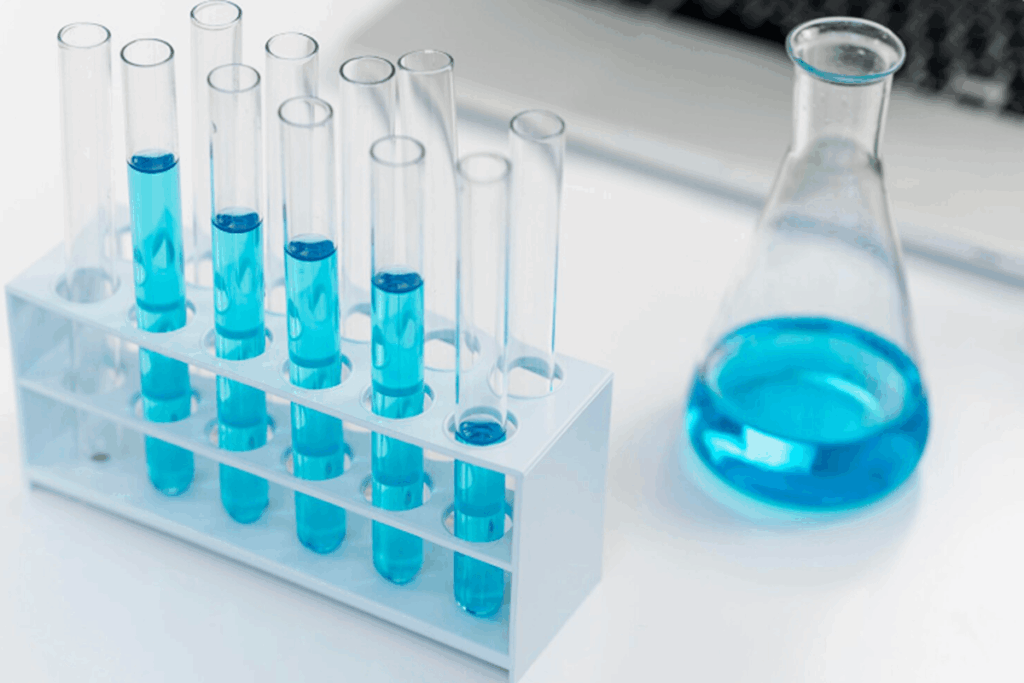
Consider your sample types when planning maintenance. Biological samples, high-salt buffers, and aggressive solvents accelerate component wear. Adjust your schedule accordingly.
Document everything in your maintenance log. Track component lifetimes, performance trends, and replacement costs. This data helps optimize your maintenance intervals and budget planning.
Train multiple staff members on maintenance procedures. Having backup personnel prevents delays when your primary operator is unavailable.
Maintenance Schedule Overview
| Frequency | Task Category | Time Required | Critical Components |
|---|---|---|---|
| Daily | System checks | 15-30 minutes | Pumps, injectors, detectors |
| Weekly | Performance verification | 1-2 hours | Columns, mobile phase system |
| Monthly | Preventive replacement | 3-4 hours | Seals, filters, consumables |
| Quarterly | Deep maintenance | Full day | Complete system overhaul |
| Annually | Professional service | 2-3 days | Factory-level diagnostics |
Best Practices for HPLC Longevity
Implementing best practices extends your instrument’s life and improves reliability. These strategies complement your regular maintenance routine.
Environmental Control
Maintain stable laboratory temperatures and humidity levels. Temperature fluctuations affect baseline stability and retention time reproducibility. Protect your instrument from vibrations and electromagnetic interference.
Solvent Quality
Use HPLC-grade solvents exclusively. Filter all mobile phases through 0.45-micron filters. Degas solvents properly to prevent bubble formation.
Sample Preparation
Clean samples thoroughly before injection. Use appropriate sample preparation techniques to remove particles and interfering compounds. This reduces column contamination and extends component life.
Staff Training
Invest in proper operator training. Well-trained staff make fewer mistakes and catch problems earlier. Regular refresher training keeps skills sharp as technology evolves.
Cost Considerations and ROI
Smart maintenance planning balances costs with performance needs. Understanding the true economics helps justify your maintenance investment.
Calculate your total cost of ownership, including consumables, labor, and downtime costs. Preventive maintenance typically costs 20-30% less than reactive repairs.
Track your return on investment by monitoring productivity gains, reduced downtime, and extended component life. Most laboratories see positive ROI within the first year of implementing structured maintenance programs.
Consider maintenance contracts for critical instruments. Professional service providers often deliver better results than in-house maintenance for complex systems.
Advanced Maintenance Strategies
Modern HPLC systems offer advanced diagnostic capabilities that enhance traditional maintenance approaches. Use these tools to optimize your maintenance schedule.
Predictive Maintenance
Monitor system parameters continuously to predict component failures before they occur. Track trends in pressure, flow rate stability, and detector response to proactively schedule maintenance.
Remote Monitoring
Many instruments support remote monitoring capabilities. These systems alert you to problems immediately and can even predict maintenance needs based on usage patterns.
Automated Diagnostics
Take advantage of built-in diagnostic routines. These tests identify problems quickly and often suggest specific solutions. Run diagnostics regularly to catch issues early.
Training and Documentation
Proper documentation supports effective maintenance and regulatory compliance. Maintain detailed records of all maintenance activities, including parts replaced, procedures performed, and system performance data.
Create standard operating procedures for all maintenance tasks. Include step-by-step instructions, safety precautions, and troubleshooting guides. Update procedures regularly as you gain experience.
Thoroughly train your staff on maintenance procedures. Ensure multiple people can perform critical tasks to maintain continuity. Document training records for regulatory compliance.
Regulatory Compliance Considerations
Laboratories in regulated industries must consider compliance requirements when planning maintenance. FDA, ISO, and other standards specify documentation and validation requirements.
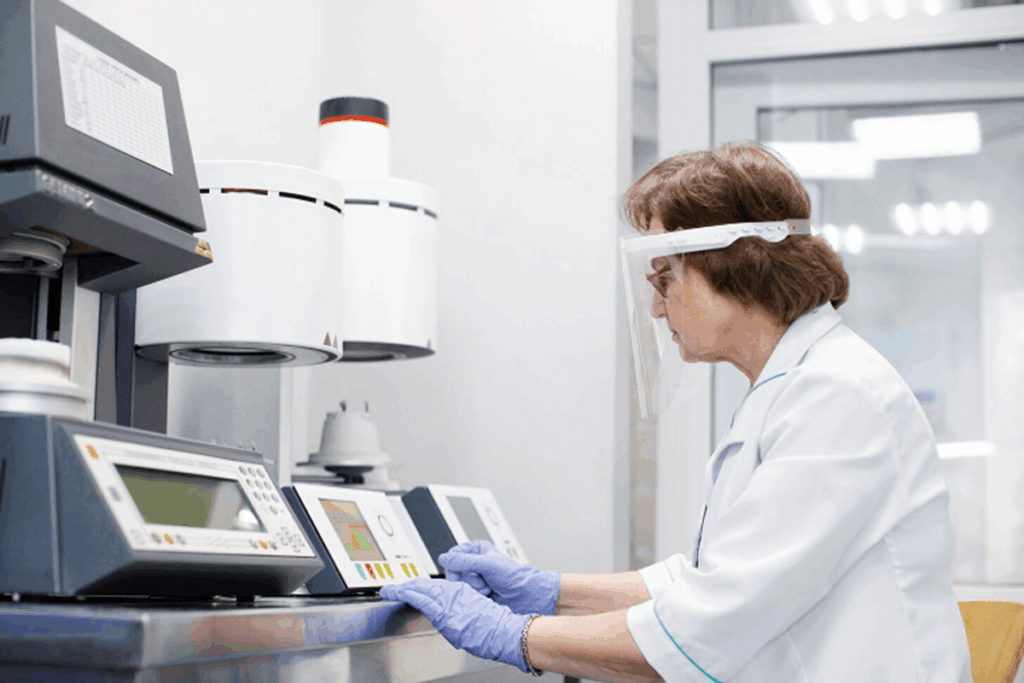
Maintain calibration records for all critical measurements. Document any deviations and your corrective actions. Keep maintenance logs current and complete.
Validate your maintenance procedures to ensure they don’t affect analytical results. This is particularly important when changing maintenance intervals or procedures.
Seasonal Maintenance Considerations
Environmental changes throughout the year can affect HPLC performance. Adjust your maintenance schedule to address seasonal challenges.
Summer heat and humidity can affect baseline stability and mobile phase preparation. Increase air conditioning capacity and monitor solvent quality more closely.
Winter heating systems can create static electricity and temperature fluctuations. Use antistatic measures and maintain stable laboratory conditions.
Spring cleaning is an excellent time for deep maintenance tasks. Take advantage of lower laboratory activity to perform major maintenance projects.
Conclusion
Effective HPLC maintenance requires consistent attention to daily, weekly, and monthly tasks that keep your instrument performing at its peak.
By following a structured maintenance schedule, you’ll prevent costly breakdowns, ensure reliable results, and maximize your instrument’s lifespan. Remember that proper maintenance is an investment in your laboratory’s productivity and data quality.
The key to successful HPLC maintenance lies in consistency and attention to detail. Start with daily checks, build comprehensive weekly routines, and don’t skip monthly preventive tasks.
When you need professional support for maintaining your HPLC systems or are ready to upgrade your analytical capabilities with quality refurbished lab equipment, contact our experts today!