The scientific community faces an unprecedented challenge: maintaining analytical excellence while addressing growing environmental concerns. As laboratories worldwide grapple with sustainability mandates and budget constraints, a powerful solution has emerged that addresses both challenges simultaneously. The sustainability benefits of refurbished lab equipment go beyond cost savings—they embody a fundamental shift toward responsible scientific practices.
At AIM Analytical, we’ve witnessed firsthand how reconditioned analytical instruments can transform laboratory operations. Our Littleton, Colorado facility serves as proof that environmental responsibility and analytical precision aren’t mutually exclusive concepts. Through our comprehensive refurbishment programs, we’ve helped countless laboratories reduce their environmental impact while maintaining the highest standards of scientific analysis.
Understanding the Environmental Impact of Laboratory Equipment
Modern analytical instruments represent significant environmental investments long before they enter laboratory settings. The manufacturing process for sophisticated equipment such as GC/MS systems, HPLC instruments, and ICP-MS analyzers requires substantial energy consumption, raw material extraction, and complex supply chain logistics.
The benefits of refurbished lab equipment become apparent when we consider the full lifecycle of these instruments. Each piece of analytical equipment contains valuable metals, precision-engineered components, and electronic systems that took considerable resources to produce. When laboratories choose refurbished options, they’re actively participating in meaningful resource conservation.
Electronic waste represents one of the fastest-growing waste streams globally. Laboratory equipment, with its complex circuitry and specialized components, contributes significantly to this challenge. By extending equipment lifecycles through professional refurbishment, we create tangible environmental benefits that ripple throughout the scientific community.
The Circular Economy Model in Laboratory Settings
Circular economy principles focus on keeping materials and products in use for as long as possible, extracting maximum value before recovering and regenerating materials at the end of a product’s life. This approach perfectly aligns with the refurbished analytical instruments’ benefits that forward-thinking laboratories are beginning to recognize.
We apply circular economy thinking to every instrument that enters our facility. Rather than viewing older analytical equipment as obsolete, we recognize the inherent value in precision-engineered systems that can deliver years of additional service. Our refurbishment process transforms instruments that might otherwise become electronic waste into fully functional analytical tools.
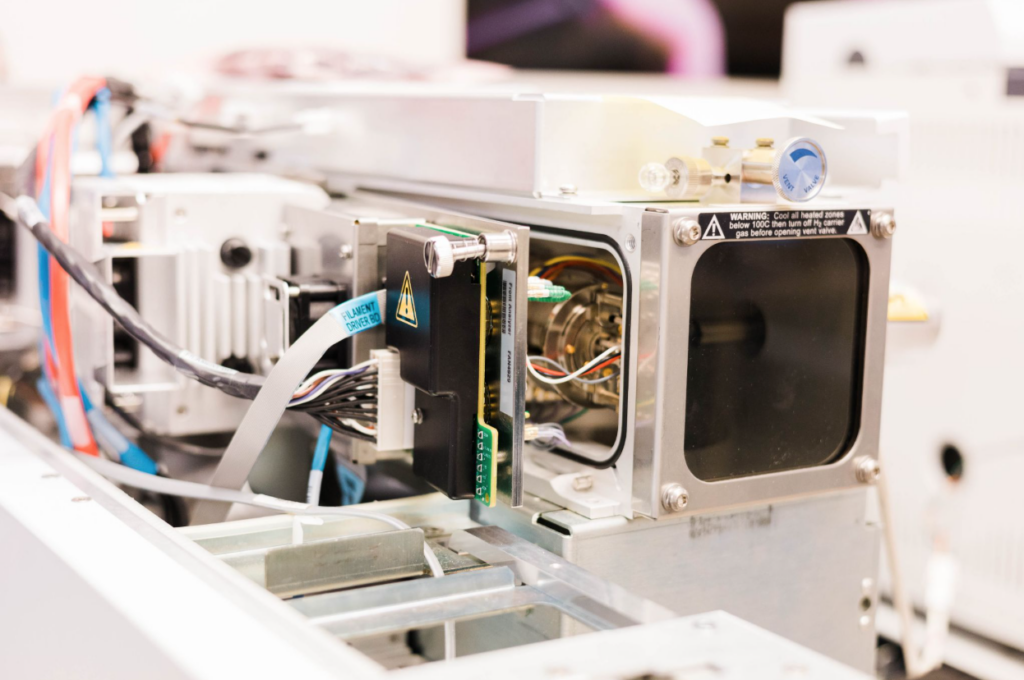
This approach creates multiple value streams. Laboratories gain access to high-quality instrumentation at reduced costs. Original equipment manufacturers see extended value from their initial manufacturing investments. The environment benefits from reduced raw material consumption and decreased electronic waste generation.
The circular model also encourages innovation in refurbishment techniques. As we’ve refined our processes over the years, we’ve discovered methods to extend equipment lifecycles beyond what many considered possible. These advances demonstrate that sustainability and performance enhancement often go hand in hand.
Quantifying Environmental Benefits
Understanding the specific sustainability benefits of refurbished lab equipment requires examining concrete environmental metrics. The numbers tell a compelling story about the positive impact of choosing reconditioned instruments over new purchases.
| Environmental Metric | New Equipment | Refurbished Equipment | Environmental Savings |
| Carbon Footprint | 100% | 25-35% | 65-75% reduction |
| Raw Material Usage | 100% | 15-25% | 75-85% reduction |
| Manufacturing Energy | 100% | 20-30% | 70-80% reduction |
| Electronic Waste | 100% disposal | Extended lifecycle | 5-10 years additional use |
These metrics reflect our experience with common analytical instruments, including GC, GC/MS, HPLC, LC-MS/MS, and ICP-MS. The environmental savings stem from eliminating manufacturing processes, reducing transportation requirements, and extending equipment lifecycles.
Reducing carbon footprints represents perhaps the most significant environmental benefit. Manufacturing new analytical instruments requires energy-intensive processes, from raw material extraction through final assembly. When laboratories choose refurbished equipment, they eliminate the majority of these carbon-generating activities.
Water usage during manufacturing also decreases substantially with refurbished equipment choices. Semiconductor manufacturing and precision machining processes consume significant amounts of water. By extending the lifecycles of existing equipment, we reduce demand for water-intensive manufacturing processes.
AIM Analytical’s Sustainability-Focused Refurbishment Process
Our approach to refurbishment prioritizes environmental benefits while ensuring analytical performance meets original specifications. We’ve developed a comprehensive process that maximizes sustainability advantages throughout every stage of instrument reconditioning.
The Five-Stage Refurbishment Process:
1. Comprehensive Assessment and Planning
- Complete instrument evaluation for refurbishment potential
- Component lifecycle analysis and replacement planning
- Environmental impact assessment for refurbishment versus new purchase
2. Precision Disassembly and Component Recovery
- Careful component extraction to maximize reusability
- Identification of components suitable for multiple instrument types
- Proper handling of materials requiring special disposal considerations
3. Advanced Cleaning and Restoration
- Environmentally responsible cleaning processes
- Component restoration using sustainable methods
- Quality verification for all restored components
4. Performance Enhancement and Calibration
- Installation of upgraded components where beneficial
- Comprehensive calibration to original manufacturer specifications
- Performance verification across all analytical parameters
5. Quality Assurance and Documentation
- Complete testing protocols to ensure reliability
- Detailed documentation of all refurbishment activities
- Warranty provision for peace of mind
This systematic approach ensures that the benefits of refurbished lab equipment extend beyond environmental advantages to include enhanced reliability and performance predictability.
Specific Instrument Types and Their Sustainability Profiles
Different analytical instruments offer varying sustainability benefits when refurbished. Understanding these differences helps laboratories make informed decisions about their equipment choices.
Gas Chromatography (GC) Systems
GC instruments represent excellent candidates for refurbishment due to their modular design and robust construction. The sustainability benefits of refurbished lab equipment are particularly pronounced with GC systems because:
- Electronic components often outlast their initial service expectations
- Detector systems can be upgraded without replacing entire instruments
- Column ovens and injection systems benefit from professional reconditioning
- Sample handling systems can incorporate the latest efficiency improvements
HPLC and LC/MS Systems
Liquid chromatography systems offer substantial environmental advantages when refurbished. These instruments feature precision pumps, detectors, and sample-handling systems that respond well to professional reconditioning. The complex manufacturing processes for HPLC systems make refurbishment particularly valuable from an environmental perspective.
ICPMS and Elemental Analysis Systems
Inductively Coupled Plasma Mass Spectrometry systems represent significant manufacturing investments in terms of materials and energy. The refurbished analytical instruments’ benefits for ICPMS systems include extended lifecycles for expensive components like plasma torches, interface cones, and vacuum systems.
Economic and Environmental Synergies
The relationship between environmental benefits and economic advantages creates compelling value propositions for laboratories. Our experience demonstrates that sustainability and cost-effectiveness often reinforce each other in refurbished equipment applications.
| Benefit Category | Environmental Impact | Economic Impact | Laboratory Advantage |
| Extended Lifecycle | Reduced waste generation | Lower replacement costs | Improved budget predictability |
| Component Reuse | Material conservation | Parts availability | Reduced downtime |
| Energy Efficiency | Lower operational footprint | Reduced utility costs | Enhanced productivity |
| Warranty Coverage | Reduced disposal risk | Financial protection | Operational confidence |
These synergies demonstrate why the benefits of refurbished lab equipment extend far beyond simple cost considerations. When laboratories choose refurbished instruments, they’re making decisions that positively impact their operations across multiple dimensions.
Waste Reduction Through Strategic Refurbishment
Electronic waste reduction is among the most tangible environmental benefits of choosing refurbished analytical instruments. The complex materials and components in modern laboratory equipment create significant disposal challenges when instruments reach their perceived end of life.
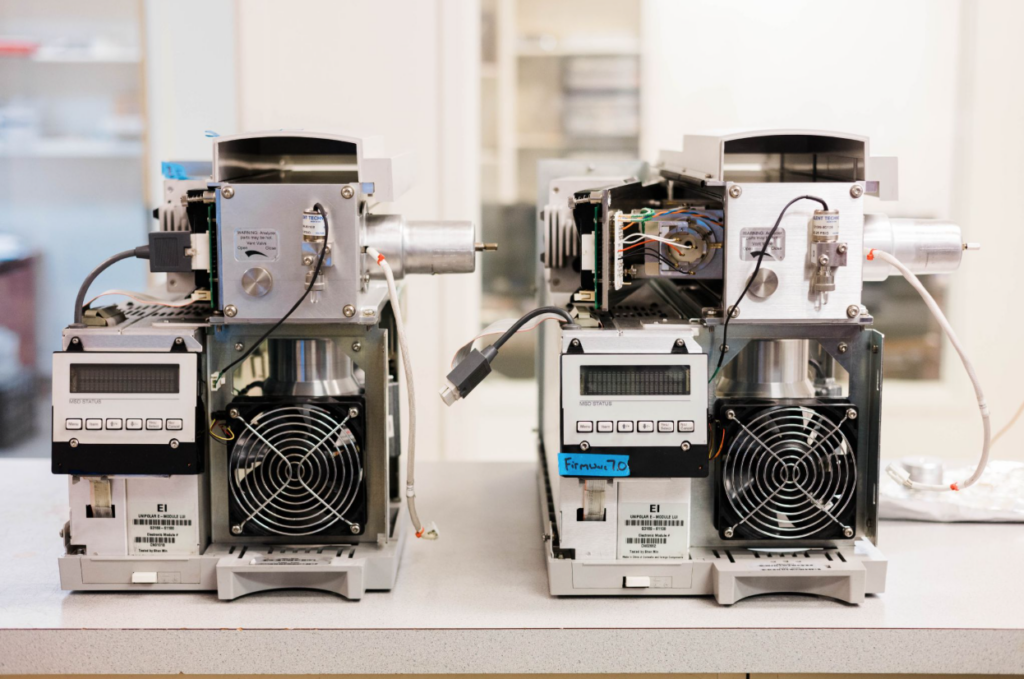
We’ve developed strategies to reduce waste at multiple levels. Primary waste reduction occurs when laboratories choose refurbished equipment instead of new purchases. Secondary waste reduction happens when we extend equipment lifecycles through professional refurbishment. Tertiary waste reduction results from our component recovery and reuse programs.
The materials recovered during our refurbishment processes often find applications in multiple instrument types. Precision-machined components, electronic assemblies, and specialized sensors can serve extended lifecycles across different analytical platforms. This approach maximizes the utility extracted from original manufacturing investments.
Quality Assurance and Performance Standards
Environmental responsibility means nothing if refurbished equipment fails to meet analytical requirements. We’ve invested heavily in quality assurance processes that ensure the sustainability benefits of refurbished lab equipment never compromise analytical excellence.
Our testing protocols verify that refurbished instruments meet or exceed original manufacturer specifications. This commitment extends beyond basic functionality to include precision, accuracy, and long-term reliability. We provide detailed performance documentation with every refurbished instrument, giving laboratories confidence in their analytical capabilities.
Key Performance Verification Areas:
- Analytical Precision: Multiple replicate measurements across the full analytical range
- Accuracy Standards: Verification using certified reference materials
- Detection Limits: Confirmation of sensitivity specifications
- Reproducibility: Long-term stability testing over extended periods
- Method Validation: Compatibility with established analytical protocols
These verification processes ensure that choosing refurbished equipment supports rather than compromises laboratory analytical goals.
Supporting Laboratory Sustainability Goals
Modern laboratories face increasing pressure to demonstrate environmental responsibility. Institutional sustainability mandates, grant requirements, and corporate responsibility initiatives all emphasize the importance of environmentally conscious decision-making.
The refurbished analytical instruments’ benefits align perfectly with these sustainability goals. Laboratories can document significant environmental improvements through equipment choices without sacrificing analytical capabilities. This alignment makes refurbished equipment particularly attractive for institutions with ambitious sustainability targets.
We provide comprehensive documentation that helps laboratories quantify their environmental impact improvements. This documentation supports sustainability reporting requirements and demonstrates concrete progress toward environmental goals.
Long-Term Impact and Future Considerations
The environmental benefits of choosing refurbished laboratory equipment compound over time. As more laboratories adopt sustainable equipment practices, the cumulative impact grows substantially. We envision a future in which refurbishment is a standard consideration in laboratory equipment decision-making.
Technology advancement trends support this vision. Modern analytical instruments feature increasingly sophisticated designs that facilitate refurbishment and component reuse. Manufacturers are beginning to consider end-of-life scenarios during initial design phases, creating equipment that supports extended lifecycles.
The benefits of refurbished lab equipment will likely expand as refurbishment technologies advance. We continue investing in process improvements that enhance both environmental benefits and analytical performance. These investments ensure that sustainability advantages grow rather than diminish over time.
Making the Sustainable Choice
Laboratories considering refurbished analytical instruments should evaluate both immediate and long-term benefits. The decision involves more than simple cost comparisons—it represents a commitment to environmental responsibility and sustainable scientific practices.
We encourage laboratories to consider their full analytical requirements, including performance specifications, reliability expectations, and environmental goals. Our consultation process helps laboratories understand how refurbished equipment can meet all these requirements simultaneously.
The sustainability benefits of refurbished lab equipment create value that extends beyond individual laboratories to the broader scientific community. Every refurbished instrument represents a step toward more sustainable research practices and environmental stewardship.
Transform Your Laboratory’s Environmental Impact
Ready to discover how refurbished analytical instruments can advance your sustainability goals while maintaining analytical excellence? AIM Analytical’s comprehensive refurbishment programs offer proven solutions for laboratories committed to environmental responsibility.
Our expert team provides detailed consultations that help you understand the specific benefits available for your analytical requirements. From GC and HPLC systems to advanced LC/MS and ICPMS instruments, we offer refurbished solutions that deliver both environmental and economic advantages.
Take the next step toward sustainable laboratory practices.Request a quote today and learn how AIM Analytical’s refurbished instruments can transform your laboratory’s environmental impact while supporting your analytical goals.