Why Colorado Labs Are Rethinking How They Dispose of Surplus Instruments
Labs in the Denver metro area accumulate outdated or underused analytical equipment faster than most organizations realize. An Agilent GC/MS system that served a cannabis testing operation for five years, a stack of HPLC modules gathering dust after a method change, a mass spectrometer pulled from rotation when a newer model arrived — these instruments don’t just disappear. They sit in corners, take up bench space, and quietly cost money through storage, insurance, and liability exposure.
For facilities near the Ken Caryl Ranch area, along South Wadsworth Boulevard, or tucked into the light-industrial corridors off West Bowles Avenue, the question isn’t whether to offload surplus gear. It’s how to do it compliantly, quickly, and without leaving value on the table. Colorado’s regulated industries — environmental testing, cannabis, food safety, and pharmaceutical — generate a steady stream of surplus laboratory equipment that needs a proper exit strategy.
The problem with most approaches is that they treat instrument disposal as an afterthought. Equipment gets listed on generic auction sites at a fraction of its actual value, or worse, it gets scrapped entirely. Labs near the Chatfield State Park corridor and the Arapahoe County line are increasingly looking for smarter alternatives, and instrument buyback programs are filling that gap.
What “Compliant Disposal” Actually Means for Analytical Labs
Disposing of laboratory instruments isn’t just about finding a buyer. Depending on what was analyzed in those systems, there are questions about residual chemical contamination, proper decontamination documentation, and chain-of-custody records. For any lab operating under state or federal compliance frameworks, skipping those steps can create real exposure.
A reputable instrument buyback program handles the logistics of decontamination verification, pickup coordination, and asset documentation. That matters especially for regulated cannabis labs in Jefferson County, where audit trails for equipment disposal can come up during state compliance reviews. Selling through an established dealer rather than a private listing protects the lab’s record and ensures the instrument finds a second life in a properly configured environment.
Analytical Instrument Management works directly with labs to evaluate surplus Agilent equipment for buyback or consignment. The process is straightforward: a quote, a pickup, and documentation you can keep on file.
The Instrument Categories That Hold the Most Resale Value in Colorado
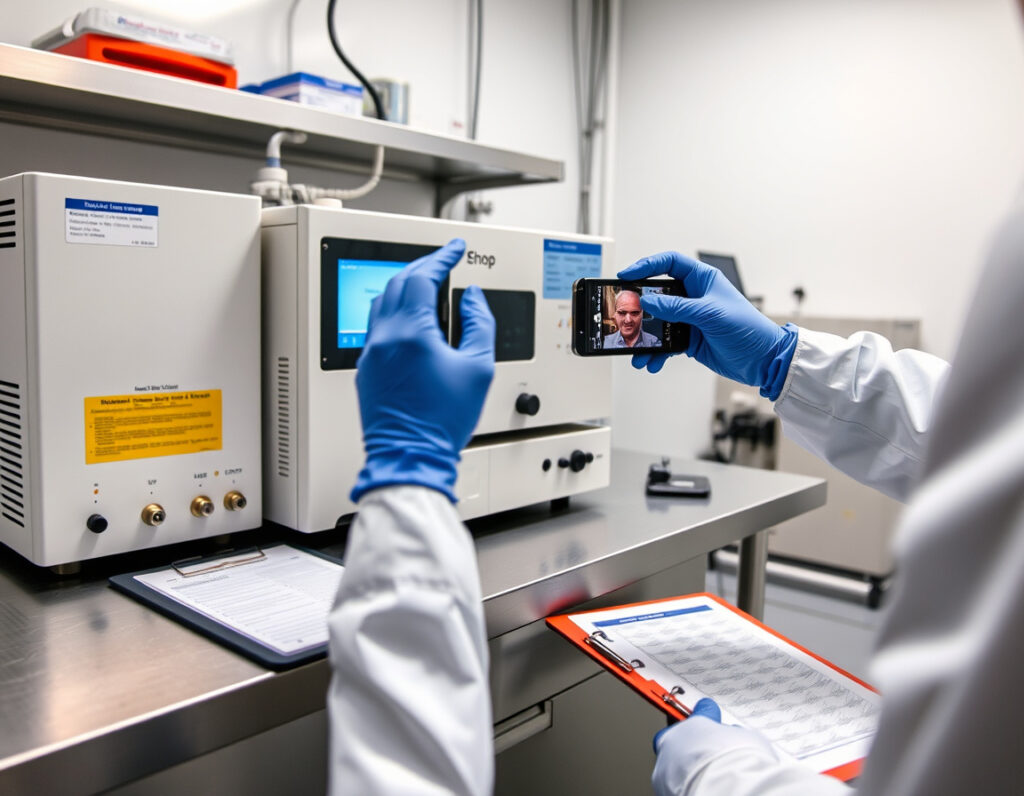
Not every piece of equipment commands the same return. Understanding which platforms retain value — and why — helps lab managers make informed decisions about what to prioritize when planning a surplus liquidation.
Gas chromatographs and GC/MS systems consistently rank among the highest-value used instruments in the secondary market. Colorado’s cannabis industry drove explosive growth in GC-based testing over the past decade, and that demand created a deep secondary market for well-maintained systems. An refurbished Agilent 7890 gas chromatograph or a comparable 6890-series unit can retain a significant portion of its original value when properly maintained and documented.
HPLC systems follow closely. Labs that upgraded from older 1100 or 1200 series platforms to newer Infinity II configurations often have functional systems sitting idle. Those refurbished Agilent HPLC systems are in genuine demand from smaller labs, academic institutions, and environmental testing facilities that need reliable chromatography without new-instrument pricing. Similarly, GC/MS systems from recent model generations hold strong resale value when the instrument history and service records are available.
Plant Testing and Environmental Labs Have Specific Needs
Colorado’s plant testing and environmental compliance sectors have driven a distinct pattern of instrument turnover. As state testing requirements for cannabis evolved — particularly around pesticide residue panels and heavy metals — labs upgraded to triple-quadrupole LC/MS platforms and reconditioned Agilent ICP-MS systems. That created a wave of older GC and single-quad MS units entering the resale market.
Environmental labs along the South Platte River corridor, operating near the Highlands Ranch and Littleton boundary, face similar equipment cycles tied to EPA method updates. When a method revision requires a new detection limit, the existing instrument doesn’t always make the cut — even if it’s in perfect mechanical condition. Those platforms are exactly what secondary buyers are looking for, and a structured reconditioned GC/MS system program gives those instruments a clear path forward.
Logistics and Pickup: What Labs Near Littleton Should Expect
One reason labs delay surplus liquidation is the perceived hassle of moving large, sensitive instruments. A mass spectrometer isn’t a piece of furniture. It requires trained handling, proper packaging, and in many cases, partial disassembly before transport. Labs sitting off South Santa Fe Drive or near the C-470 corridor have access to major freight routes, which actually makes instrument pickup more straightforward than many assume.
A proper buyback or liquidation process should include a site visit or detailed photo review, a firm quote, scheduled pickup with qualified instrument handlers, and post-pickup documentation. For labs that need to clear space quickly — due to a lease change, a consolidation, or a grant-funded equipment refresh — that kind of structured process is far less disruptive than managing a private sale.
The HPLC systems and GC platforms that labs in this region commonly offload are exactly the type of equipment that moves efficiently through an established dealer channel. There’s an existing buyer network, known pricing benchmarks, and the infrastructure to handle the physical logistics without putting the lab in the middle of a complicated transaction.
Labs that have worked with Analytical Instrument Management on buybacks consistently report that the biggest surprise is how fast the process moves once a quote is accepted. Equipment that sat unused for months is gone within weeks, and the space it occupied is available for something productive.
Frequently Asked Questions
What condition does my Agilent equipment need to be in to qualify for a buyback?
Most instruments don’t need to be in working condition to have resale value. Functional systems with service records command the best prices, but non-functional units, partial systems, and instruments missing components can still be evaluated for parts value or refurbishment potential. The key is providing accurate information about the system’s history and current state during the quote process. Analytical Instrument Management evaluates each instrument individually rather than applying blanket condition requirements.
Are there environmental or regulatory considerations when selling used lab instruments in Colorado?
Yes, particularly for instruments that handled hazardous solvents, heavy metals, or regulated substances. Before a system leaves your facility, you’ll want documentation confirming decontamination and any relevant chain-of-custody records, especially if your lab operates under state cannabis testing licenses or federal environmental compliance programs. Working with an established instrument dealer simplifies this because the process includes standard documentation steps. The Colorado Department of Public Health and Environment provides guidance on waste management requirements that may apply to lab equipment disposal depending on prior use.
How do I know I’m getting a fair price for my surplus GC/MS or HPLC equipment?
Secondary market pricing for analytical instruments depends on model, age, configuration, condition, and current demand — which shifts based on what industries are buying. A transparent pricing reference and a no-obligation quote from a dealer with active inventory and sales history gives you a real benchmark. It’s worth requesting quotes from more than one source and asking the dealer to explain what factors are driving their number. Dealers who are active in the market, like those sourcing refurbished GC/MS systems for resale, will have current pricing data that reflects actual buyer demand rather than outdated auction comps.
If your lab near the Ken Caryl, South Wadsworth, or Chatfield area is sitting on instruments it no longer needs, the right move is a direct conversation with a dealer who knows the market. Analytical Instrument Management offers straightforward buyback evaluations for Agilent equipment of all types, from GC and HPLC platforms to mass spectrometers and LC/MS systems. Get a no-obligation quote and find out what your surplus instruments are actually worth before assuming they have no value. For more context on instrument standards and analytical testing requirements, the EPA’s laboratory quality assurance program is a useful reference for understanding how method compliance shapes equipment selection and disposal cycles.