Why Labs Near Ken Caryl and South Littleton Trust Refurbished Analytical Instruments
Research and testing facilities operating along South Continental Divide Road and the wider Ken Caryl corridor have a practical problem: analytical instruments are expensive, and budgets rarely keep pace with the workload. A new GC/MS system from the manufacturer can run $50,000 to $100,000 or more. That figure alone pushes many smaller labs to delay equipment upgrades for years, which eventually shows up in throughput and data quality.
Refurbished laboratory equipment solves that gap cleanly. When a unit is properly reconditioned, inspected, and tested against factory specifications, it performs identically to new hardware at a fraction of the price. Labs in the Ken Caryl area, tucked between the foothills off West Meadows Drive and the open space near the disc golf course on Continental Divide Road, are well positioned to benefit from this kind of capital efficiency.
The difference between a vendor who simply resells used gear and one who genuinely reconditions it matters a great deal. Reconditioning means replacing consumable parts, cleaning ion sources, verifying detector sensitivity, and running real analytical samples to confirm performance. A refurbished unit that ships with documented performance data gives a lab manager far more confidence than one sold “as-is.”
Gas Chromatography Options for Colorado Testing Facilities
Gas chromatography is the backbone of environmental, cannabis, food safety, and forensic testing. Facilities operating near West Meadows Drive, including labs that support schools like Ute Meadows Elementary or serve the active fitness community around CrossFit Ken Caryl, often need reliable GC capability without the overhead of a brand-new capital purchase.
The Refurbished Agilent 6890 Gas Chromatograph remains one of the most widely deployed GC platforms in the world, and a properly serviced unit can run for another decade without issue. If your lab needs a current-generation platform, the Refurbished Agilent 7890 or the newer Refurbished Agilent 8890 offer modern connectivity and software compatibility at significantly reduced cost. Each of these platforms supports a wide range of detector configurations, from FID and ECD to full mass spectrometer detection.
Mass Spectrometry and LC/MS Solutions for the Littleton Region
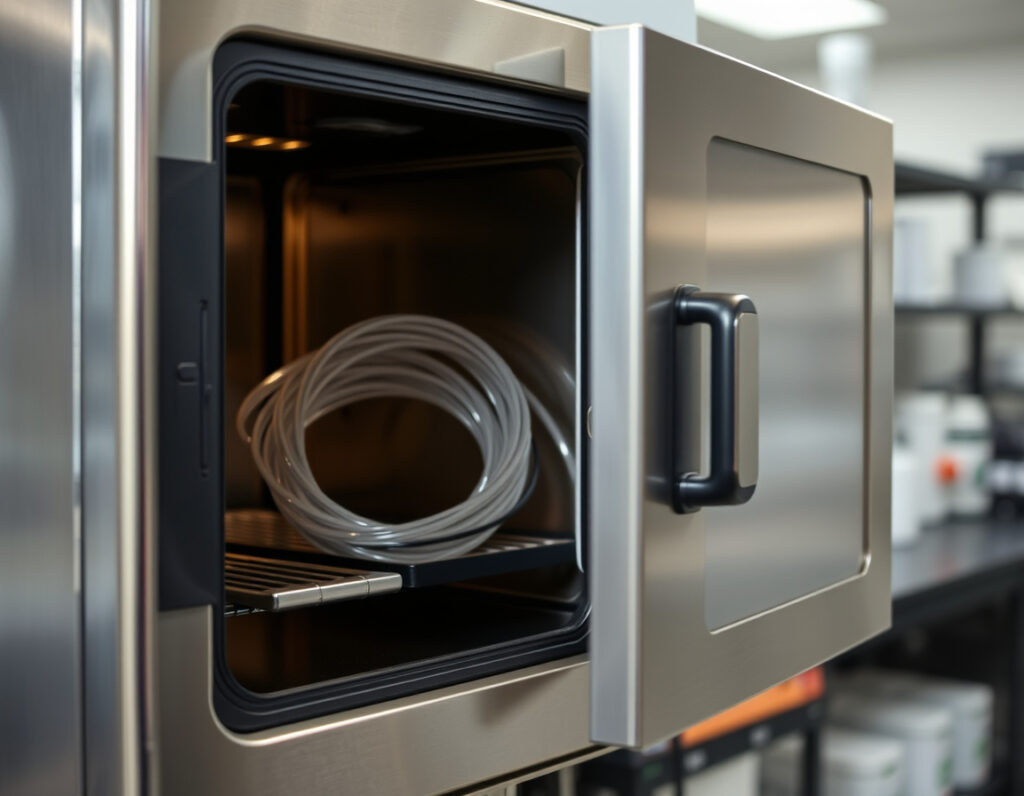
Quantitative trace analysis, pesticide screening, and plant testing applications require more than a basic GC. Mass spectrometry, whether coupled to a gas chromatograph or a liquid chromatograph, gives labs the selectivity they need to confirm identity and quantify analytes at low concentration levels. Colorado’s regulated cannabis and hemp markets in particular have driven strong demand for high-sensitivity MS instruments across the Front Range.
For GC/MS applications, reconditioned Agilent mass spectrometers like the Refurbished Agilent 5977B or the Refurbished Agilent 5975C are strong choices. Both deliver solid sensitivity for volatiles analysis and integrate smoothly with the 6890 and 7890 GC platforms. For even higher throughput or more demanding quantitative work, the Refurbished Agilent 7010B Triple Quad adds MRM capability that single-quad detectors simply cannot match.
Liquid Chromatography and Triple Quad LC/MS for High-Sensitivity Work
LC/MS instruments handle the analytes that GC cannot touch: thermally labile compounds, large biomolecules, polar pesticides, and cannabinoids in complex matrices. The LC/MS QQQ systems available through reconditioning programs give labs access to triple quadrupole performance that, when purchased new, often exceeds $200,000.
Platforms like the Agilent 6490 Triple Quad and the Agilent 6495 Triple Quad are well proven in regulated laboratory environments. Pairing either with a refurbished Agilent 1290 Infinity II HPLC front end creates a high-speed LC/MS system capable of the throughput that commercial testing labs near the Ken Caryl area demand. The cost savings compared to new purchase routinely run 40 to 60 percent, capital that can go toward staffing, method development, or facility improvements instead.
Labs focused on routine separations without MS detection also have strong options. The full range of refurbished Agilent HPLC systems covers everything from basic UV detection on a 1100-series platform to the high-pressure binary pumping of the 1290 Infinity series, depending on what the application demands.
Selling Surplus Equipment and Managing Lab Transitions
Labs upgrade, consolidate, or pivot their analytical methods. When that happens, older instruments sit idle and take up bench space. Selling surplus Agilent equipment through a reputable channel recovers real value, often thousands of dollars per unit, rather than letting hardware depreciate further in a storage room.
Analytical Instrument Management works with labs on both sides of that transaction. Whether a facility near Continental Divide Road is clearing out a retired GC fleet or a new startup along the West Meadows corridor needs to build a lab from scratch, the process of sourcing and disposing of instruments doesn’t need to be complicated. The equipment sell-back program makes it straightforward to get a fair market assessment without a drawn-out negotiation process.
Colorado’s testing industry has grown considerably over the past decade, driven partly by cannabis regulation and partly by expanded environmental monitoring requirements across the Front Range. That growth has created a secondary market for quality reconditioned agilent GC MS systems, and labs that know how to access that market gain a real cost advantage over competitors who default to new purchases every cycle. For labs serving the scientific community around Littleton, from environmental consultants to food safety testers, that advantage compounds over time.
According to the City of Littleton’s official resources, the area continues to attract science and technology businesses, making reliable access to quality instrumentation increasingly relevant for local operators. From a regulatory standpoint, labs handling trace-level contaminant analysis should also consult the EPA’s laboratory quality assurance guidelines when establishing or upgrading method performance standards.
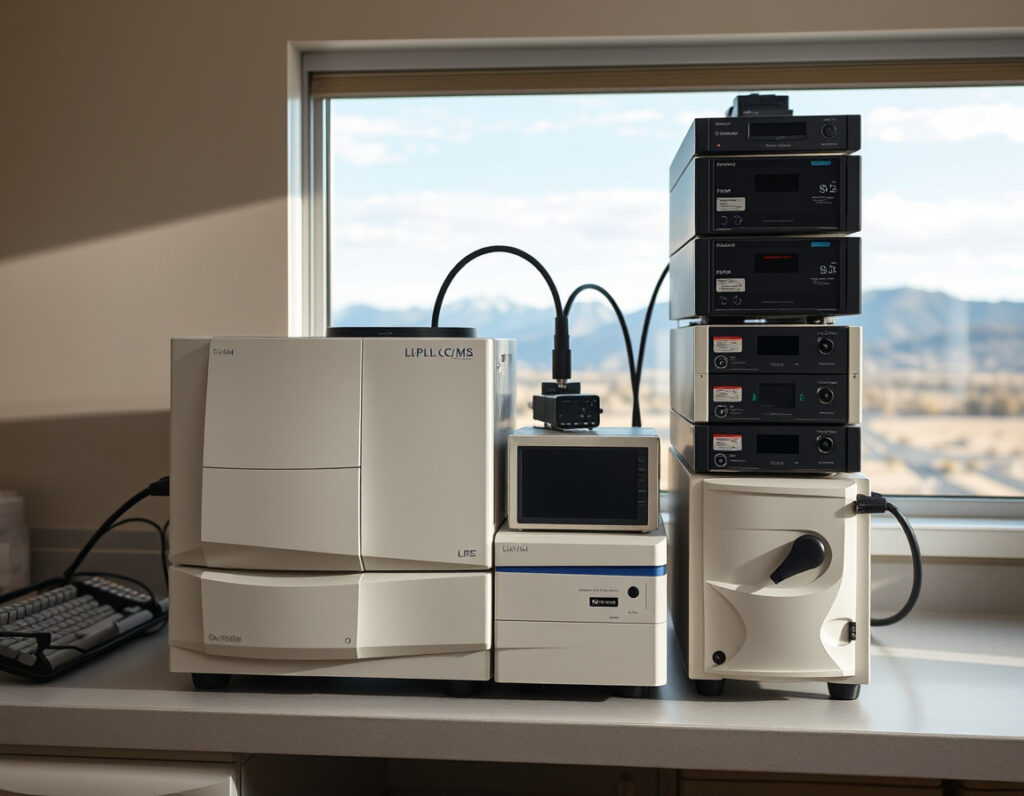
Frequently Asked Questions About Refurbished Lab Instruments
What does “refurbished” actually mean for an analytical instrument like a GC or LC/MS?
A properly refurbished instrument goes well beyond a simple cleaning and resale. The process involves replacing wear items such as septa, liners, tubing, and detector filaments, cleaning critical components like ion sources and ion optics, verifying vacuum integrity, running diagnostic software tests, and then performing actual analytical injections to confirm sensitivity and peak shape meet factory-equivalent specifications. A reputable refurbisher documents all of this and provides the performance data with the instrument. If a seller cannot produce that documentation, the unit has not been genuinely reconditioned.
Can a refurbished GC/MS or HPLC system handle regulated laboratory work in Colorado?
Yes. Regulatory bodies including Colorado’s Marijuana Enforcement Division and environmental agencies do not require instruments to be purchased new. What matters is that the instrument is properly qualified for the intended method, which means running installation qualification, operational qualification, and performance qualification procedures regardless of whether the unit is new or reconditioned. A well-refurbished instrument passes those qualifications just as readily as a new one, provided the reconditioning was done thoroughly. Labs should document the qualification process fully for audit purposes.
How do I know which refurbished instrument platform is right for my lab’s applications?
The choice depends on your target analytes, matrix complexity, required detection limits, and sample throughput. For volatile organic compounds and general GC work, a refurbished GC with a single-quad mass spectrometer is often sufficient. For pesticide quantitation, cannabinoid profiling, or any application that requires MRM transitions and sub-ppb detection limits, a triple quadrupole LC/MS or GC/MS system is the better fit. If you are unsure, Analytical Instrument Management can review your method list and recommend platforms that match your actual analytical requirements rather than selling the most expensive option available.
Whether your lab is growing into a larger method portfolio or simply replacing aging hardware, the right refurbished instrument can change the economics of your operation significantly. Analytical Instrument Management serves labs throughout the South Denver and Littleton area with fully reconditioned Agilent platforms, honest technical guidance, and a process built around getting instruments qualified and running quickly. Browse the full laboratory instruments catalog or request a quote to get pricing on the specific platforms your facility needs.