How Colorado Cannabis Labs Near Littleton Choose and Qualify Analytical Instruments
Colorado’s cannabis testing industry operates under some of the most exacting instrument requirements in the country. Labs working under CDPHE oversight and reporting through METRC don’t have the luxury of guessing when it comes to equipment selection. A single miscalibrated run can trigger a failed batch report, a license review, or worse. For labs operating near the Littleton area, along the C-470 corridor, or tucked off South Santa Fe Drive, getting instrument qualification right from day one matters more than the price tag on the hardware itself.
The Colorado Department of Public Health and Environment sets specific detection limits for pesticides, residual solvents, heavy metals, and potency. That means the instruments a lab deploys have to be capable of hitting those targets reliably, run after run. LC/MS triple quadrupole systems are the workhorse for pesticide and potency panels. GC/MS platforms handle residual solvent work. And ICP-MS is now standard for heavy metals testing at any ISO 17025-accredited facility. Choosing the wrong instrument for any one of those categories creates a compliance gap that regulators will find.
Labs sourcing refurbished laboratory equipment have to be especially careful about documentation. A reconditioned instrument without a full service history, calibration records, or a clear IQ/OQ/PQ package puts the lab’s accreditation at risk. That’s not a theoretical concern. CDPHE auditors ask for it.
What CDPHE and METRC Actually Require From Your Instruments
METRC is the state’s seed-to-sale tracking system, but the instrument side of compliance flows through CDPHE’s laboratory testing rules under Colorado Department of Public Health and Environment guidelines. Labs must test against a defined list of analytes, use validated methods, and maintain records showing their instruments are performing within specification. That last requirement is where many smaller labs get caught short.
For pesticide panels, detection limits in Colorado are tight. The triple quadrupole LC/MS platform is widely used because it delivers the sensitivity and selectivity those limits demand. An Agilent Technologies 6490 Triple Quad LC/MS or the newer Agilent Technologies 6495 Triple Quad LC/MS are both commonly deployed in accredited cannabis testing facilities precisely because they have well-documented performance histories and strong method libraries available off the shelf.
Residual solvents testing typically relies on a GC/MS system with headspace sampling. Labs that cut costs here by deploying an unqualified or poorly reconditioned instrument tend to see method failures during external audits. A properly reconditioned instrument from a reputable vendor, with documentation, is almost always the better option over a cheap unit with no paper trail.
Instrument Qualification Steps That Colorado Labs Often Skip
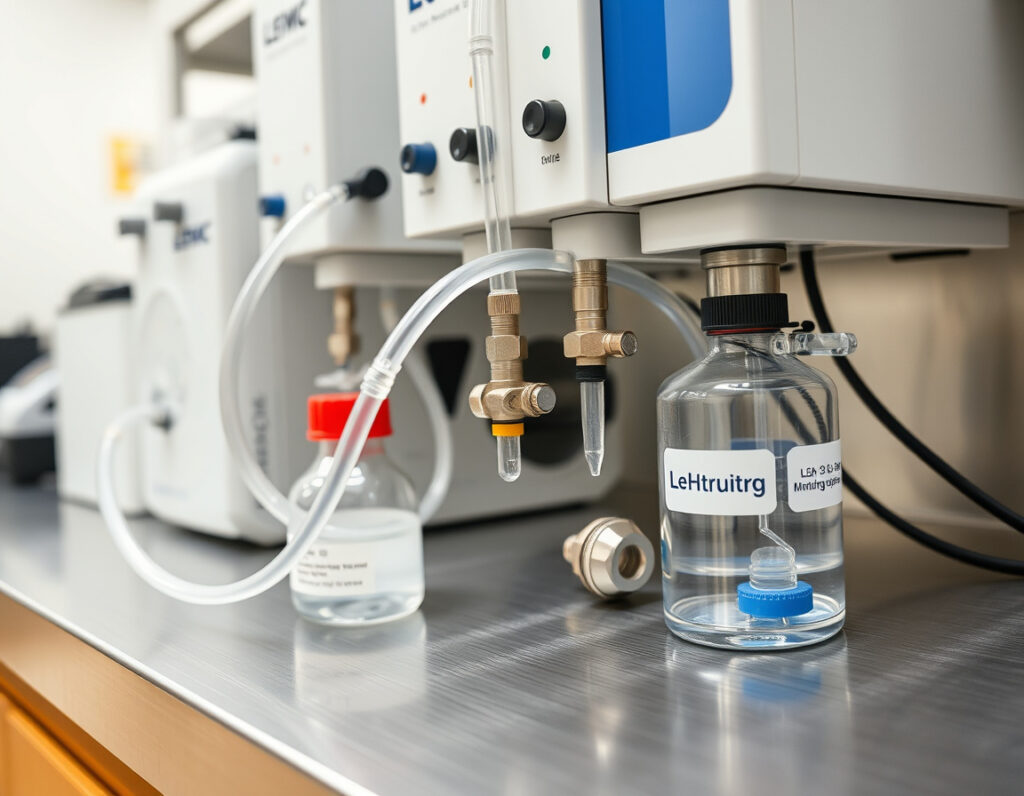
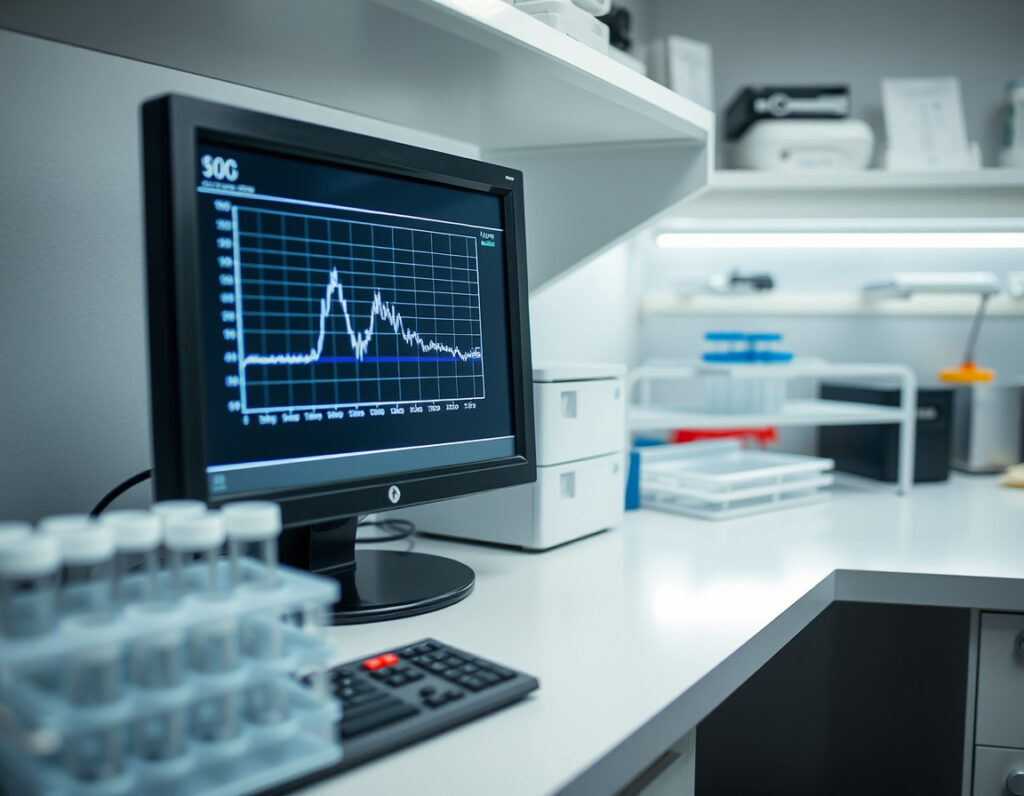
IQ/OQ/PQ qualification — installation qualification, operational qualification, and performance qualification — is not optional for accredited labs. ISO 17025 expects it. CDPHE auditors look for it. Yet a surprising number of labs along the Ken Caryl Ranch corridor and near the Bowles Avenue industrial zone treat it as something to backfill when an audit is imminent rather than a genuine upfront process.
Installation qualification confirms the instrument is physically set up to manufacturer specifications. Operational qualification verifies it performs within defined parameters. Performance qualification tests it against the specific methods the lab runs. Skipping OQ and jumping to PQ is one of the most common shortcuts. It works until it doesn’t, and when it doesn’t, the failure is usually in the middle of a high-volume testing cycle.
Pairing the Right Platform to the Right Test Category
Not every instrument fits every test category equally well. For heavy metals analysis, labs near Littleton increasingly rely on ICP-MS systems that can hit sub-ppb detection limits for arsenic, cadmium, lead, and mercury. For potency and terpene profiling, a well-configured refurbished HPLC system often handles the throughput better than a full LC/MS setup. The Agilent Technologies 1260 Infinity II HPLC is a solid choice for labs that run high daily sample volumes but don’t need full MS detection for their potency workflow.
For residual solvents, a reconditioned GC/MS system with a documented calibration history gives labs the confidence they need for both internal QC and external audits. The Refurbished Agilent 5977B Mass Spectrometer paired with a headspace autosampler has become a reliable configuration in this space. Labs using older platforms like the 5975 or 5973 should evaluate whether their current detection limits still meet the current CDPHE method requirements — those rules have tightened over the past two years.
For pesticide screening panels that require the lowest possible detection limits, the Agilent Technologies 6465 Ultivo Triple Quad LC/MS offers a compact footprint with no compromise on sensitivity, which matters when lab bench space near the South Platte River corridor comes at a premium.
Selling or Upgrading Surplus Instruments in the Denver Metro Region
Labs that have outgrown older platforms or are consolidating test categories often find themselves holding equipment that still has value. A reconditioned agilent icp ms system or an older triple quad that no longer meets your throughput requirements can often be sold or traded rather than written off. Labs along the W. Bowles Avenue tech corridor and near the Highlands Ranch area frequently upgrade on a 5-7 year cycle as detection limit requirements tighten and throughput demands grow.
The process of decommissioning lab instruments correctly matters. Instruments used in cannabis testing have method validation records, calibration logs, and often IQ/OQ/PQ documentation attached to them. A buyer who receives a properly documented instrument pays more for it. Analytical Instrument Management works with Colorado labs on both sides of that transaction — sourcing qualified equipment and helping facilities sell Agilent equipment when they’re ready to upgrade or consolidate.
Labs near the Santa Fe Arts District, along the Mineral Avenue corridor, or anywhere in the Denver-metro basin can benefit from working with a vendor who understands both the instrument specifications and the Colorado compliance context rather than a generic national reseller who ships a box with no support.
Frequently Asked Questions
Do refurbished LC/MS or GC/MS instruments qualify for ISO 17025 accreditation in Colorado cannabis labs?
Yes, provided the instrument comes with full documentation including a service history, calibration records, and a completed IQ/OQ/PQ package. ISO 17025 and CDPHE testing rules focus on instrument performance and method validation, not whether the instrument is new or refurbished. A properly reconditioned triple quadrupole LC/MS or GC/MS system that meets manufacturer specifications and has been validated against the lab’s methods is fully eligible for accreditation. The documentation is what auditors examine, so sourcing from a vendor who supplies complete records is critical.
Which analytical instruments are required for a full-panel cannabis testing laboratory in Colorado?
A full-panel Colorado cannabis testing lab typically needs at minimum: a triple quadrupole LC/MS for pesticide panels and potency, a GC/MS system with headspace sampling for residual solvents, an ICP-MS for heavy metals (arsenic, cadmium, lead, mercury), and an HPLC system for high-throughput potency work. Some labs also run GC-FID for certain solvent profiles. The specific platforms chosen need to hit the detection limits specified in CDPHE’s current testing rules, which have been updated and tightened over the past several years.
How do Colorado labs near Littleton find qualified instrument vendors rather than generic resellers?
The key difference between a qualified instrument vendor and a generic reseller is documentation and post-sale support. A qualified vendor provides complete service histories, calibration records, and IQ/OQ/PQ packages with each instrument. They also understand the compliance context — meaning they know what CDPHE and ISO 17025 auditors look for. Labs in the Littleton and Denver-metro area have used Analytical Instrument Management as a regional resource for sourcing reconditioned Agilent platforms precisely because the documentation and support structure matches what accredited labs need. You can browse the full instrument inventory at the laboratory instruments catalog to see current availability.
For cannabis testing labs and research facilities throughout the Littleton area and the broader Denver metro, finding an equipment partner who understands Colorado’s specific regulatory requirements changes the instrument acquisition process entirely. Analytical Instrument Management offers LC/MS triple quadrupole systems, refurbished GC/MS platforms, HPLC systems, and ICP-MS units — all with the documentation structure that accredited labs actually need. Reach out to discuss your current instrument configuration, upcoming upgrades, or surplus equipment you’re looking to move.