What Littleton and Denver-Area Labs Are Doing to Stretch Capital Budgets
Labs in the southern Denver corridor face a familiar problem: analytical instrument budgets haven’t kept pace with testing demand. Whether you’re running environmental samples near the South Platte River corridor, processing cannabis or hemp flower at a facility off West Bowles Avenue, or operating a small biotech startup near the Ken Caryl Ranch industrial area, the pressure to produce more data without spending more capital is real and constant.
The answer a growing number of labs have landed on is refurbished laboratory equipment. Not hand-me-down gear from a lab auction, but professionally reconditioned instruments that have been rebuilt, tested, and verified against OEM specifications before they ship. The difference in cost between a new Agilent 7890 and a properly refurbished one can easily be $30,000 to $50,000, and for a small lab, that gap pays salaries or funds a second instrument position.
Labs along the C-470 corridor specifically have seen growth in plant testing, environmental compliance work, and contract analytical services over the past several years. Those segments all share one thing: high instrument utilization with tight per-sample economics. A $180,000 new GC/MS doesn’t fit that model. A reconditioned system at a fraction of that cost often does. If you want to compare what’s available in the GC/MS category, the full inventory of refurbished GC/MS systems gives a solid starting point for what’s on the market right now.
The Cannabis and Hemp Testing Factor Along the Front Range
Colorado’s cannabis market created a genuine surge in analytical lab capacity, and the Littleton area absorbed a meaningful share of it. State-licensed testing labs need instruments that can run potency, pesticide, residual solvent, and heavy metals panels, often on the same day. That’s a demanding instrument mix for any budget.
Hemp testing requirements under Colorado’s Department of Agriculture rules add another layer. Labs handling hemp flower and extracts need validated GC and LC methods, which means GC systems and HPLC platforms have to perform reliably at high throughput. Buying new for every position isn’t realistic. Reconditioned Agilent GC systems and HPLC systems have become a practical middle path: you get the platform reliability the methods require without the new-instrument capital hit. Colorado’s cannabis testing framework is governed by the Colorado Department of Public Health and Environment, and their published method requirements shape exactly what equipment capabilities labs in this market must maintain.
Instrument Platforms That Hold Up Best in Colorado’s Testing Environment
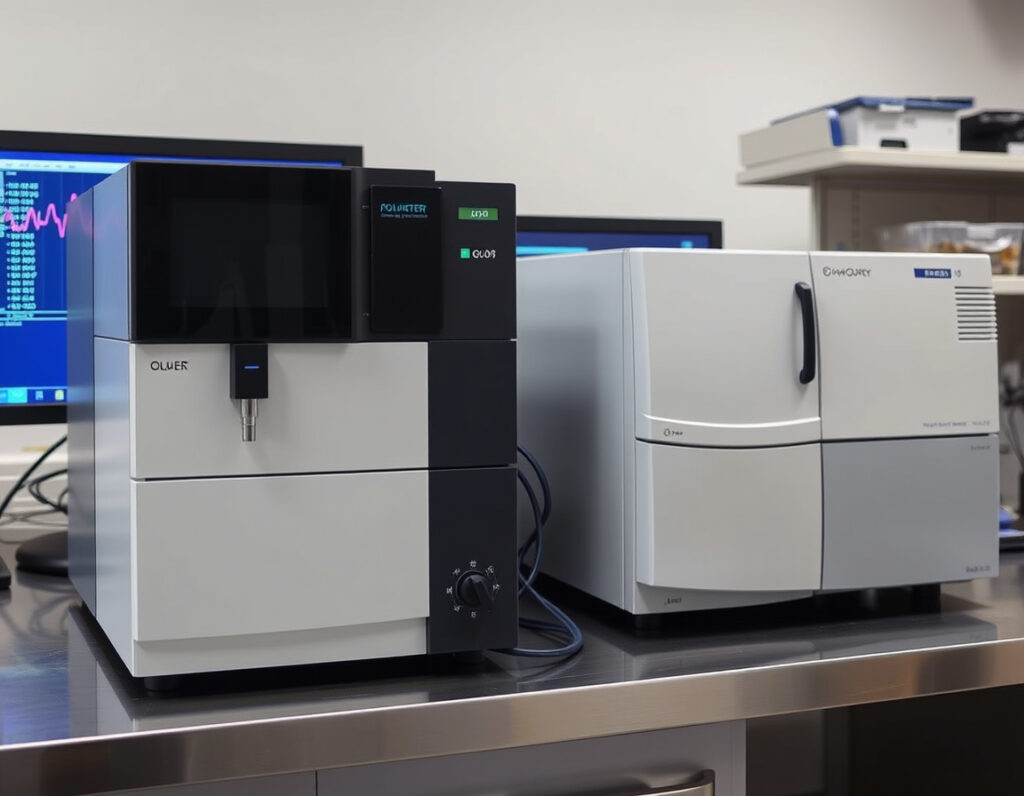
Not every brand ages equally well in a high-use testing environment. Labs near Chatfield Reservoir and along South Santa Fe Drive have learned this the hard way after picking up instruments that look functional but can’t hold calibration through a 200-injection overnight sequence. Platform support matters as much as the instrument itself.
Agilent Technologies instruments have a clear advantage in the Colorado market: the installed base is large, MassHunter and OpenLAB software licenses are portable, and parts availability is strong through multiple channels. When something does fail, the diagnostic path is well-documented. That’s a meaningful operational advantage compared to platforms with smaller regional install bases.
On the GC side, the refurbished Agilent 6890 remains one of the most requested platforms in the refurbished market. It’s mechanically straightforward, column compatibility is broad, and lab staff trained on it tend to stay trained on it. The refurbished Agilent 7890 adds backflush capability and faster cycle times that some high-throughput labs genuinely need. Choosing between them mostly comes down to method requirements and whether your SOP calls for features the 7890 adds over the older platform.
LC/MS and HPLC Options for Multi-Residue Panels
Pesticide panels and pharmaceutical impurity work both push labs toward LC/MS triple quad platforms. In the Littleton area, where contract labs often serve multiple industry verticals, instrument flexibility is critical. A reconditioned triple quadrupole LC/MS system can handle the sensitivity requirements for pesticide work at 10 ppb or below while also supporting method development for other client matrices.
The Agilent Technologies 6460 is a well-regarded entry into the QQQ segment, while the 6490 and 6495 platforms offer higher sensitivity for labs pushing into the sub-ppb range. On the HPLC side, the Agilent 1260 Infinity II covers the majority of reversed-phase and normal-phase methods at a fraction of the cost of a 1290 system for labs where ultra-high-pressure performance isn’t required. Matching the platform to the actual method demand, rather than buying the most capable system available, is where the real budget efficiency comes from.
Timing an Instrument Upgrade: When to Trade In vs. Repair
Labs near the Arapahoe County line that have been running the same GC or HPLC system for eight or more years are often sitting on a decision point without recognizing it. The instrument still runs. It still produces data. But repair frequency is climbing, parts are getting harder to source, and the system may no longer qualify for software updates that newer regulatory templates require.
A useful rule of thumb: when annual repair and maintenance costs for a single instrument approach 20 to 25 percent of its replacement cost, the economics of continuing to repair start to break down. A reconditioned replacement often comes with a warranty and a full service history, which is something a decade-old in-house system usually can’t offer anymore.
If you’re sitting on functional but surplus Agilent equipment, there’s also value in the other direction. Selling surplus instruments through a reputable channel puts capital back into the budget that can offset a replacement purchase. The sell your Agilent equipment process is worth looking at before older systems get written off entirely. Colorado labs often have more trade-in value sitting on their benches than they realize, particularly in refurbished Agilent HPLC systems that have strong secondary market demand.
Compliance Documentation and Audit Readiness
One concern labs sometimes raise about reconditioned instruments is audit readiness. A refurbished system entering a regulated testing environment needs documentation: installation qualification records, performance verification data, and a clear service history. Analytical Instrument Management provides that documentation package with every instrument, which is what separates a professionally reconditioned system from a resold used instrument with no paper trail.
The NIST Laboratory Programs calibration resources lay out the broader framework for instrument qualification and traceability that regulated labs need to follow. Understanding that framework helps lab managers ask the right questions when evaluating any instrument source, refurbished or new.
Frequently Asked Questions
What types of labs near Littleton, CO typically benefit most from refurbished analytical instruments?
Environmental testing labs, cannabis and hemp compliance labs, contract analytical services providers, and university or research labs operating on fixed budgets tend to get the most value from reconditioned instruments. These operations run high sample volumes with tight per-sample cost targets, which makes the price gap between new and refurbished equipment especially meaningful. Labs along the C-470 corridor and near the South Platte watershed have been among the most active buyers in this category over the past several years.
How do I know if a refurbished Agilent GC or LC system will meet my lab’s method requirements?
The short answer is: ask for the performance verification data before you commit. A properly reconditioned instrument should come with signal-to-noise testing results, baseline stability data, and documentation showing the system was tested against original Agilent specifications. If a seller can’t produce that paperwork, the system hasn’t been properly reconditioned. Method suitability ultimately depends on your specific analyte list and detection limits, so sharing your SOP requirements with the supplier before purchase is always the right move.
Can I sell my existing Agilent equipment if it’s older but still functional?
Yes, and it’s often worth more than you might expect. Platforms like the Agilent 6890 GC, the 1200 series HPLC, and several mass spectrometer models have strong secondary market demand because they’re well-supported and widely understood. Even instruments that are eight to twelve years old can have meaningful resale value if they’re operational and complete with their electronics and software licenses. Getting a valuation before writing off older equipment is usually worth the time.
Analytical Instrument Management works with labs throughout the Denver metro and surrounding areas, including facilities in Littleton, to source, recondition, and deliver verified analytical instruments that fit real lab budgets. If your operation is evaluating a GC, HPLC, or mass spectrometer upgrade, or if you have surplus equipment taking up bench space, request a quote or browse the full laboratory instruments inventory to see what’s currently available.