What Labs Near Deer Creek and Bradford Road Actually Need From a Supplier
Running a lab — whether it’s an environmental testing facility, a cannabis compliance operation, or a university-adjacent research space — puts constant pressure on your budget and your timeline. The instruments that drive your results are also the ones most likely to drain your capital if you’re buying new every cycle. That’s a real problem for operations in the southwest Denver suburbs, where lab buildouts along the West Chatfield corridor have been growing steadily alongside the region’s agricultural and industrial testing demand.
Refurbished laboratory equipment has moved well past its old reputation. Today, professionally reconditioned instruments can match manufacturer performance specs, come with documented service histories, and ship ready to install. For labs near the Jefferson County Sheriff’s Office complex on Bradford Road or research groups affiliated with programs at Collegiate Academy of Colorado on Sangre De Cristo Road, sourcing equipment that performs without the six-figure price tag of a brand-new unit is often the difference between a project moving forward or sitting in a procurement queue for another year.
The southwest corner of the metro, sitting between the foothills and the Denver Tech Center, has a particular mix of lab types: water quality monitoring, oil and gas trace analysis, food and agricultural screening. Each of those demands different analytical tools, but they share one common pressure: getting the right instrument fast and keeping it running.
The Budget Gap That Kills Lab Timelines
A new Agilent 7890 gas chromatograph can run $40,000 to $60,000 configured. A reconditioned, fully tested unit with a verified maintenance record can come in at a fraction of that. For labs in Littleton operating on grant cycles or fixed annual budgets, that gap isn’t just attractive — it’s often the only viable path to expanding capacity. Suppliers who understand this dynamic offer more than just hardware. They offer turnkey solutions with calibration documentation, warranties, and application support that make internal sign-off easier.
If your lab runs GC/MS systems for environmental or cannabis compliance work, lead times on new instruments from major manufacturers can stretch to months. A certified refurbished unit can often ship in days. That matters when you’re under contract for sample throughput.
Instrument Categories That Drive Testing Labs in This Area
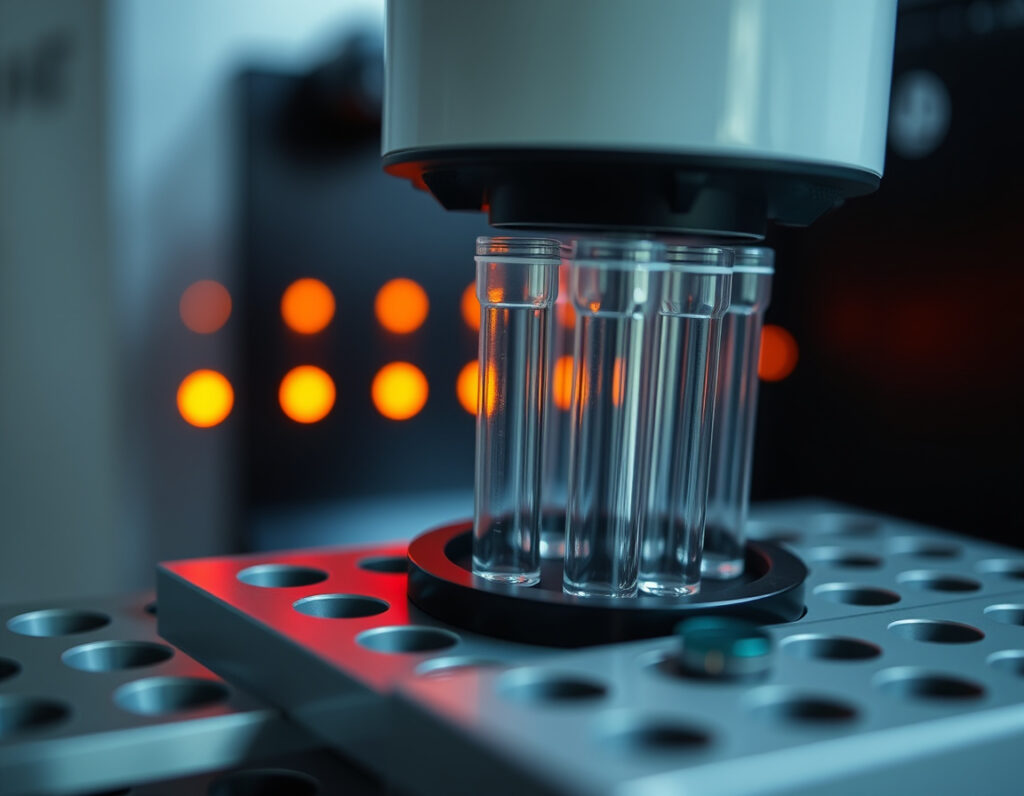
The range of analytical work happening in the southwest Denver metro is broader than most people expect. Soil and groundwater testing near the foothills, hemp and cannabis compound verification, pharmaceutical intermediate analysis, and food safety screening all use overlapping instrument families. Understanding which platforms are most common in the area helps when you’re planning a purchase or building out a new lab space off West Chatfield Avenue.
Gas Chromatography and Mass Spectrometry
Gas chromatography remains the workhorse for volatile organic compound analysis, cannabis terpene and cannabinoid profiling, and pesticide residue screening. The Agilent platform dominates this space, and the 6890, 7890, and 8890 models represent three generations of the same core design philosophy — meaning a lab that upgrades from one to another can carry over methods with minimal revalidation.
For compound confirmation, pairing a GC with a mass spectrometer is standard. The refurbished GC/MS systems available through specialized suppliers include matched configurations that have been tested as complete units, not just assembled from parts. That distinction matters for system suitability and audit readiness.
Labs doing trace-level environmental work often need triple quadrupole capability. The refurbished Agilent 7010B TQ is a common choice for that application, offering sub-part-per-trillion detection limits in a platform that most Agilent-trained analysts already know how to operate.
HPLC and LC/MS for Complex Matrices
High-performance liquid chromatography is the right tool when your analytes aren’t volatile — proteins, pesticides in polar matrices, pharmaceutical compounds, and heavy polar contaminants all fall here. The Agilent 1200 and 1260 series have been the standard platform in this category for over a decade, and the installed base is large enough that finding trained operators and compatible consumables is rarely a problem.
For labs stepping up to mass spectrometry detection in liquid phase, reconditioned triple quadrupole LC/MS instruments offer a significant leap in sensitivity and selectivity. The Agilent 6490 Triple Quad LC/MS is one of the most capable platforms in this class, and sourcing it as a certified refurbished unit makes the acquisition cost manageable for smaller labs that need the sensitivity but can’t justify a new-instrument budget.
Hemp testing labs in particular have pushed hard toward LC/MS QQQ platforms over the past few years. Accurate cannabinoid quantitation, mycotoxin screening, and heavy metal verification increasingly require the selectivity that a triple quad delivers. Browse the full range of LC/MS QQQ systems to see what’s currently available in certified refurbished condition.
Buying Refurbished vs. Used: A Distinction Worth Understanding
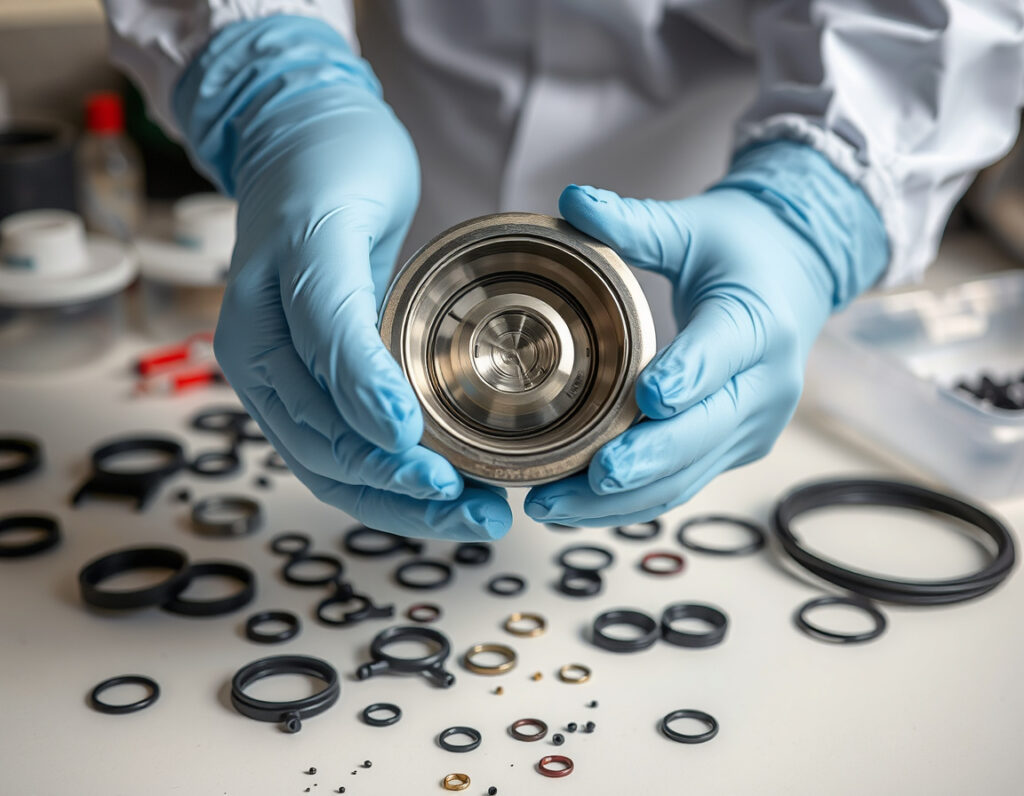
The word “used” covers a wide spectrum. A ten-year-old instrument that’s been sitting in a warehouse is not the same thing as a reconditioned Agilent GC/MS that has been disassembled, cleaned, parts-replaced where needed, performance-verified against original specifications, and shipped with documentation. The difference matters operationally and it matters if you’re ever in a position to defend your methods in a regulatory audit.
Professional refurbishers inspect source-control electronics, replace wear items like septa, liners, and column nuts, run system suitability tests, and provide calibration certificates. That’s a different product than something sold as-is from a decommissioned facility. When labs near the VCA Deer Creek Animal Hospital area on West Chatfield or anywhere along the South Continental Divide Road corridor are sourcing instruments, asking for that documentation upfront is the fastest way to separate quality suppliers from resellers moving inventory.
Key questions to ask any supplier before committing to a purchase:
- What replacement parts were installed during refurbishment?
- Was the instrument tested as a complete system or only bench-tested by module?
- What warranty terms apply, and who handles service calls?
- Is the instrument currently in stock or still being sourced?
Labs that also have surplus equipment to move can often offset acquisition costs. A supplier that will buy your existing Agilent instruments can make an upgrade cycle considerably less painful on the balance sheet.
ICP-MS for Environmental and Metals Work
Colorado’s history with mining activity and ongoing water quality monitoring requirements means that trace metals analysis is a real need across the region. Inductively coupled plasma mass spectrometry is the gold standard for this work, and reconditioned ICP-MS systems have become accessible enough that smaller environmental labs can now run the method in-house rather than sending samples out. That reduces turnaround time and gives labs direct control over their QC processes, which matters when clients are waiting on results to make remediation decisions.
The EPA’s guidance on environmental cleanup and monitoring sets the detection requirements that most commercial labs in this space are working to meet. Knowing those thresholds helps when selecting an instrument platform, because not every ICP-MS configuration achieves the same detection limits for elements like arsenic, lead, or mercury.
Frequently Asked Questions
How do I know if a refurbished Agilent instrument is genuinely reconditioned versus just cleaned up for resale?
Ask for a written refurbishment report that lists every part replaced, the test protocols used, and the performance data from post-service verification runs. A legitimate refurbisher can provide this. If a seller can’t produce documentation showing what was done to the instrument before sale, treat it as used equipment, not refurbished. Also check whether the supplier offers a parts-and-labor warranty rather than just a return policy — that distinction tells you a lot about their confidence in the work they did.
Can a refurbished GC/MS or HPLC system meet regulatory compliance requirements for environmental or cannabis testing?
Yes, with the right documentation. Regulatory agencies like the Colorado Department of Public Health and Environment evaluate your method validation data and instrument performance records, not whether you bought a new or refurbished instrument. As long as the instrument meets system suitability criteria for your method, passes your in-house qualification protocols, and has a traceable service history, it is fit for compliance testing. Many accredited labs run their primary workflows on professionally refurbished platforms.
What’s the typical lead time when ordering a certified refurbished analytical instrument?
It depends on whether the unit is in stock or being sourced. In-stock, fully tested instruments can typically ship within a few business days. Instruments that are being sourced, refurbished, and then shipped will take longer — often four to eight weeks depending on availability. This is still usually faster than new-instrument lead times from manufacturers, which can run three to six months for configured systems. Always confirm stock status before committing, and ask specifically whether the listed unit has already completed its refurbishment or is still being processed.
Analytical Instrument Management, located at 8392 S Continental Divide Rd in Littleton, works with labs across the region to source, recondition, and support analytical instruments across the GC, GC/MS, HPLC, and LC/MS platforms. Whether you’re building out a new facility, replacing aging equipment, or trying to expand capacity without expanding your capital budget, the team can help you find the right instrument at a price that makes sense. Learn more about the full range of available platforms on the laboratory instruments catalog, or request a quote directly. You can also explore the City of Littleton’s official website for local business resources and information about operating in the area.