Colorado Lab Compliance and What It Means for Your Analytical Instruments
Colorado has built one of the more demanding regulatory environments for analytical laboratories in the western United States. Labs operating near Littleton and across the Denver metro face oversight from two primary agencies: the Colorado Department of Public Health and Environment (CDPHE) for environmental testing, and the Marijuana Enforcement Division (MED) for cannabis and hemp product analysis. Both agencies have specific expectations around instrument qualification, method validation, and data integrity — and those expectations directly shape which instruments a lab can use and how those instruments must be maintained and documented.
For any lab running cannabinoid potency, pesticide residue, or heavy metals testing, the instrument sitting on your bench is not just a capital expense. It is a compliance asset. The MED’s stringent ISO/IEC 17025 accreditation requirement, adopted formally for licensed cannabis testing labs, means that every piece of analytical equipment must be qualified for its intended use, traceable to reference standards, and documented in a way that survives an audit. A system that hasn’t been properly verified — even if it runs perfectly — can create gaps in your quality records that put your accreditation at risk.
Labs along the South Platte corridor, from Englewood down through Littleton and toward Highlands Ranch, have seen significant growth in both environmental monitoring contracts and cannabis testing demand over the past several years. That growth has pushed many lab managers to evaluate whether their current instrument inventory can keep up — and whether a refurbished laboratory equipment strategy can fill gaps without blowing past capital budgets.
Instrument Qualification Under Colorado’s Framework
When the CDPHE or a third-party accreditation body like NELAP reviews a lab’s quality system, they look at installation qualification (IQ), operational qualification (OQ), and performance qualification (PQ) records for major instruments. This applies whether the instrument is brand new or refurbished agilent gc or HPLC hardware that was reconditioned before delivery. The key question auditors ask is not “is this instrument new?” — it’s “can you demonstrate it performs within specification for your methods?”
That distinction matters. A properly reconditioned instrument, delivered with full OQ documentation and method-specific performance data, can satisfy Colorado’s qualification requirements just as well as a factory-new system. The documentation package is what regulators care about. Labs near C-470 and Santa Fe Drive that have sourced reconditioned agilent gc ms systems from reputable suppliers have successfully passed CDPHE inspections when the paperwork was thorough and the system performance data was clean.
Instrument Types Most Relevant to Colorado Testing Labs
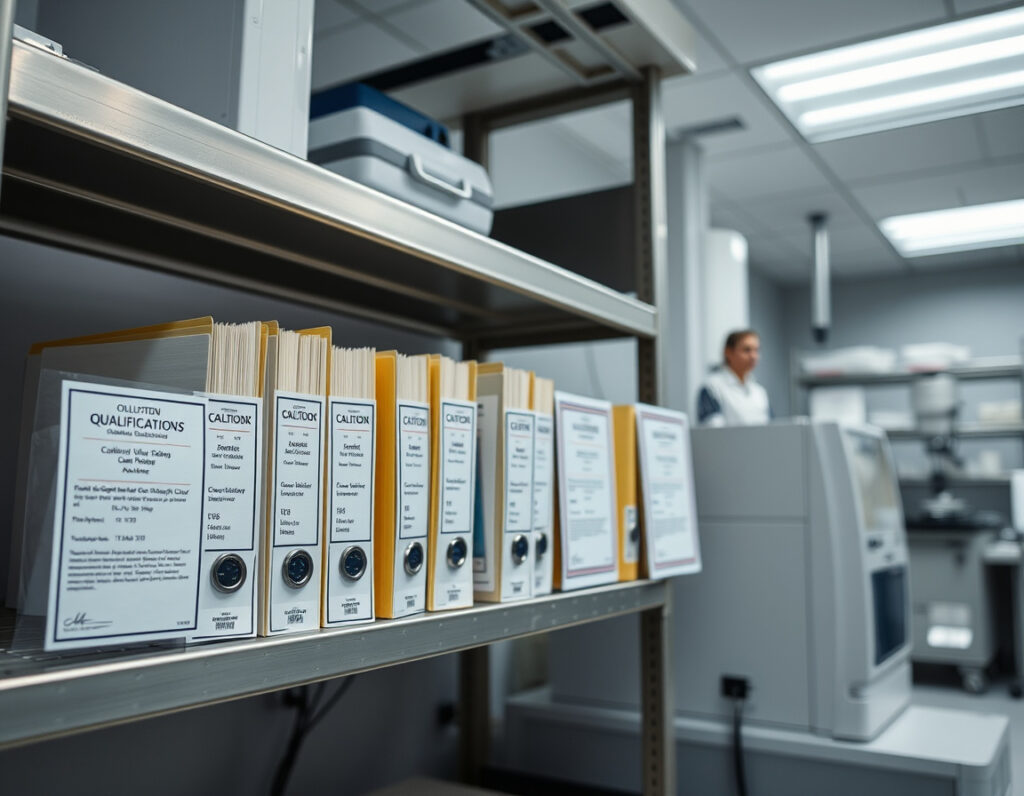
The Colorado regulatory landscape has created predictable demand for specific instrument types. Cannabis and hemp testing labs need reliable separation and detection platforms for cannabinoid profiling, terpene analysis, residual solvent screening, and pesticide confirmation. Environmental labs handling water quality and soil contamination work along the Front Range need robust trace-level detection. These requirements map to a fairly specific set of instrument categories.
Gas chromatography with mass spectrometry is the workhorse for residual solvents and volatile organic compounds. Labs doing this work frequently run refurbished Agilent 6890 gas chromatographs or the newer refurbished Agilent 7890 systems, both of which pair well with single-quad and triple-quad mass spectrometers. For pesticide residue work requiring confirmation at low parts-per-billion levels, LC/MS triple quadrupole platforms have become the standard. The reconditioned triple quadrupole lcms market has grown substantially as MED-licensed labs look for ways to meet detection limits without purchasing new instruments at full list price.
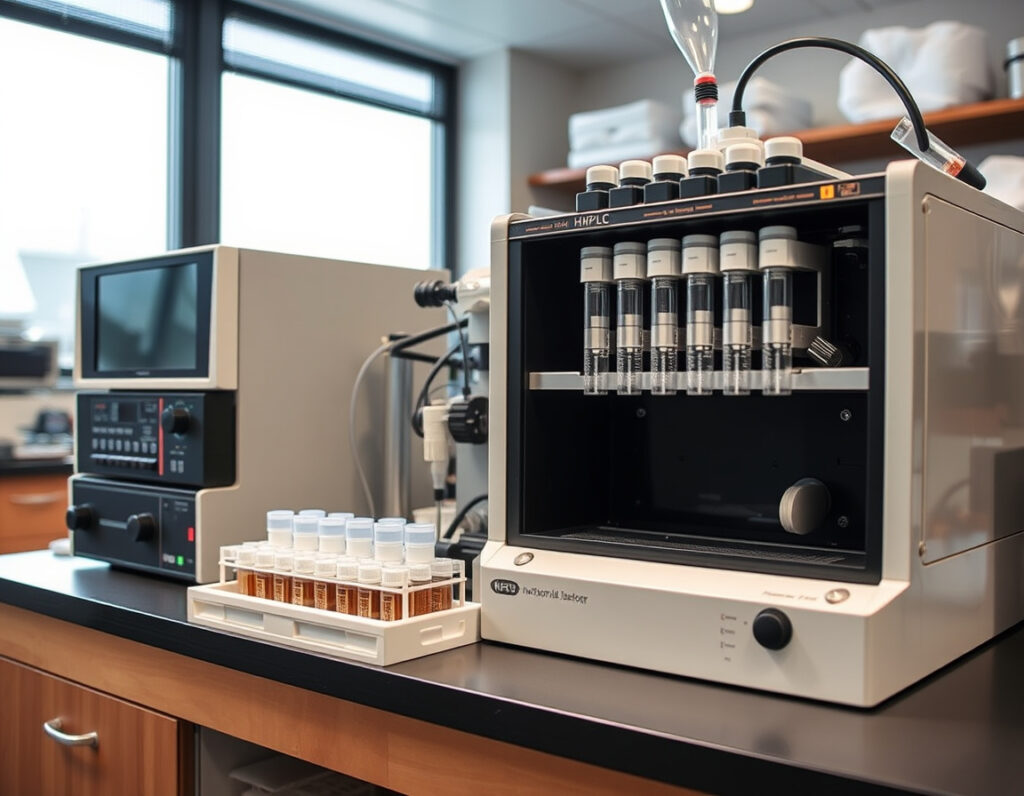
HPLC systems remain central to cannabinoid potency testing. The Agilent 1260 Infinity II is one of the most commonly requested platforms among Colorado testing labs because of its widespread method library and the availability of validated cannabinoid profiling protocols. For labs running high-throughput sample volumes near the Ken Caryl Ranch area or the Centennial airport corridor, upgrading to a refurbished Agilent 1290 Infinity II can meaningfully increase daily sample capacity without the sticker shock of new instrumentation.
Heavy Metals and ICP-MS Requirements
Colorado’s MED requires licensed cannabis testing facilities to screen for four regulated heavy metals: arsenic, cadmium, lead, and mercury. This mandates an ICP-MS or ICP-OES platform in any lab offering a full testing menu. The ICP-MS systems available through the refurbished market have expanded considerably, giving labs in the Littleton area access to capable detection platforms at a fraction of the cost of new hardware. For plant testing applications specifically, where matrix complexity is high and detection limits are tight, instrument selection and proper method validation are both critical.
Selling or Trading Surplus Instruments from a Colorado Lab
Lab consolidations, method changes, and equipment upgrades generate a steady stream of surplus analytical instruments across the Front Range. A lab near Bowles Avenue that upgraded its GC/MS fleet two years ago may now have a pair of functioning but idle systems sitting in storage. Another facility near the Arapahoe County line might be transitioning away from a single-quad platform to a triple-quad workflow, leaving serviceable hardware without a home.
The process of preparing surplus instruments for resale or trade-in is more involved than most lab managers expect. Before a system changes hands, it should be cleaned, inspected, and ideally run through a basic performance check. Source files and method libraries should be wiped or transferred per your data governance policy. Any consumables — columns, septa, liner assemblies — should be inventoried and either included with the sale or removed and logged. Having a complete maintenance history and calibration record for the instrument significantly increases its resale value and speeds up the qualification process for the next buyer.
Sell your Agilent equipment through a channel that understands the full instrument lifecycle. Analytical Instrument Management works directly with labs looking to sell Agilent equipment and provides fair assessments based on actual market conditions, not arbitrary depreciation tables. For labs near Wadsworth Boulevard or along US-285 that have multiple systems to move, bundling instruments through a single transaction often simplifies the logistics and improves the overall return.
Logistics of Getting a Refurbished System Into a Colorado Lab
One detail that surprises first-time buyers of refurbished instrumentation is how much planning goes into the delivery and installation phase. GC and HPLC systems require stable utility connections, proper ventilation for solvent vapors, and in some cases dedicated electrical circuits. A refurbished agilent hplc systems installation at a mid-size lab in the South Jefferson County area typically takes one to two days for the physical setup, followed by a qualification run that may take another day or two depending on method complexity.
Scheduling matters. Labs running production samples can’t afford a week of downtime while a new instrument gets sorted out. Working with a supplier who provides detailed pre-installation specs, coordinates delivery timing, and can support the initial OQ process reduces that risk significantly. The full range of GC/MS systems available through Analytical Instrument Management comes with the kind of technical documentation that makes the installation and qualification process predictable rather than stressful. You can also review current pricing before committing to a configuration.
Frequently Asked Questions
Does buying refurbished analytical equipment affect my lab’s ISO/IEC 17025 accreditation in Colorado?
No, using refurbished instruments does not disqualify a lab from ISO/IEC 17025 accreditation. Colorado’s MED-licensed labs and CDPHE-accredited environmental labs are evaluated on whether instruments perform within specification for their validated methods and whether the qualification documentation is complete. A properly reconditioned instrument delivered with IQ/OQ records and performance data can fully satisfy these requirements. The accreditation body cares about your data quality system, not whether the instrument was purchased new or reconditioned.
What documentation should I expect when purchasing a refurbished GC or HPLC system for a regulated Colorado lab?
At minimum, you should receive a system-level description of all components and part numbers, a summary of the reconditioning work performed, performance test data showing the system meets manufacturer specifications, and any available maintenance history from the previous installation. For regulated Colorado labs, it is also worth requesting a certificate of calibration for any detectors or pumps that were serviced. This documentation forms the foundation of your installation qualification record and will be reviewed during any CDPHE or accreditation body audit.
How long does it typically take to get a refurbished instrument delivered and operational in the Denver or Littleton area?
Lead times vary based on instrument availability and the complexity of the system, but most refurbished GC, HPLC, and GC/MS platforms can be delivered within two to six weeks of order confirmation. Installation typically takes one to two days on-site, followed by qualification activities that can add another one to three days depending on the method and your internal QA requirements. Coordinating the delivery date with your lab’s scheduling and utility preparation in advance keeps the timeline tight and avoids unnecessary idle time between delivery and first sample run.
Colorado’s testing labs operate in one of the more regulated environments in the country, and instrument decisions carry real compliance weight. Whether you’re expanding capacity near the South Platte River corridor, replacing aging hardware, or looking to move surplus systems out of storage, working with a supplier who understands both the instruments and the regulatory context makes a tangible difference. Request a quote from Analytical Instrument Management and connect with a team that has handled instrument transitions for labs across the Denver metro and Front Range region.