How Colorado’s Altitude and Climate Affect Lab Instrument Performance Near Littleton
Labs sitting at elevations above 5,000 feet face conditions that simply don’t show up in an instrument manual written for a sea-level facility in New Jersey. The Littleton area sits at roughly 5,351 feet above sea level, and that altitude gap changes how analytical instruments behave in ways that catch lab managers off guard. Lower atmospheric pressure means vacuum-dependent detectors work harder to achieve target operating conditions. Relative humidity swings between bone-dry winter air and brief summer monsoon bursts, creating condensation risks inside sensitive detector housings.
For labs near South Federal Boulevard and the communities stretching south toward Centennial, these environmental swings happen fast. A lab manager who drove past Amazing Grace Church on South Federal Boulevard this morning may have walked into a facility where overnight humidity dropped 40 points. That kind of moisture fluctuation accelerates corrosion on electrical contacts and stresses column connections in refurbished agilent hplc systems that weren’t properly resealed before leaving a lower-altitude facility.
The good news is that these challenges are well-documented and manageable with the right maintenance schedule. The key is knowing which instrument types are most vulnerable and adjusting service intervals accordingly rather than relying on generic manufacturer timelines calibrated for average U.S. lab conditions.
GC/MS Systems and the Vacuum Pressure Problem
Gas chromatography mass spectrometers rely on turbomolecular pumps to maintain high vacuum in the ion source. At Denver metro elevations, the roughing pump has to work against a lower starting pressure, which sounds like an advantage but actually shortens pump oil service intervals because the pump runs in a different load range than its design baseline. Labs running a refurbished Agilent 5977A mass spectrometer or similar platform should plan oil changes roughly 15 to 20 percent more frequently than the standard schedule. Detector sensitivity drift is also more common here, which means tune files saved at lower elevations may produce noisy spectra when loaded at a high-altitude facility without re-optimization.
The refurbished GC/MS systems that perform best in Colorado are those that have been inspected, rebuilt, and re-tuned by technicians who understand regional operating conditions. A system shipped from a coastal warehouse and simply powered on in a Littleton lab is a system waiting to underperform.
HPLC Systems and Low-Humidity Solvent Management
High-performance liquid chromatography instruments deal with a different set of altitude-related issues. Mobile phase degassing becomes more aggressive at elevation because dissolved gas comes out of solution faster. This affects baseline stability and can introduce ghost peaks in sensitive methods. Reconditioned triple quadrupole lcms platforms that combine LC separation with MS detection are especially sensitive because baseline noise from mobile phase issues propagates straight into quantitation results.
Labs running methods on the Agilent Technologies 6490 Triple Quad LC/MS or the Agilent Technologies 6465 Ultivo Triple Quad LC/MS in this region should verify degasser performance at installation rather than assuming factory defaults are adequate. A simple online degasser performance check at altitude takes under an hour and prevents weeks of troubleshooting later.
Selling or Trading Surplus Equipment from a Colorado Lab
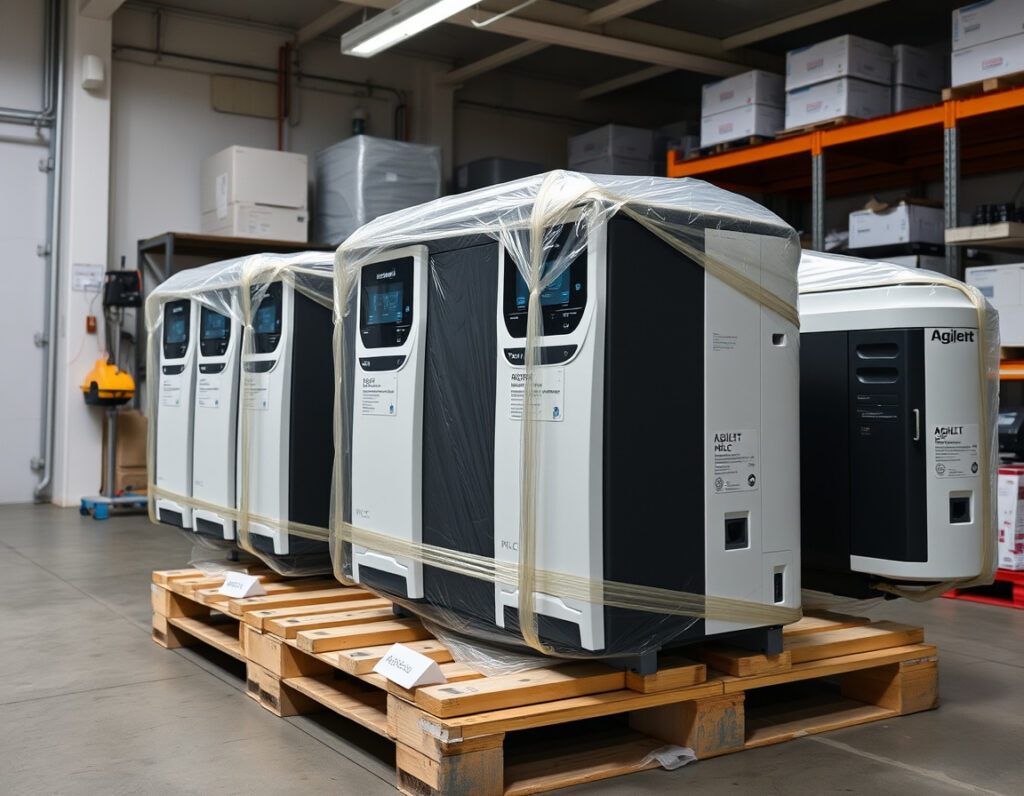
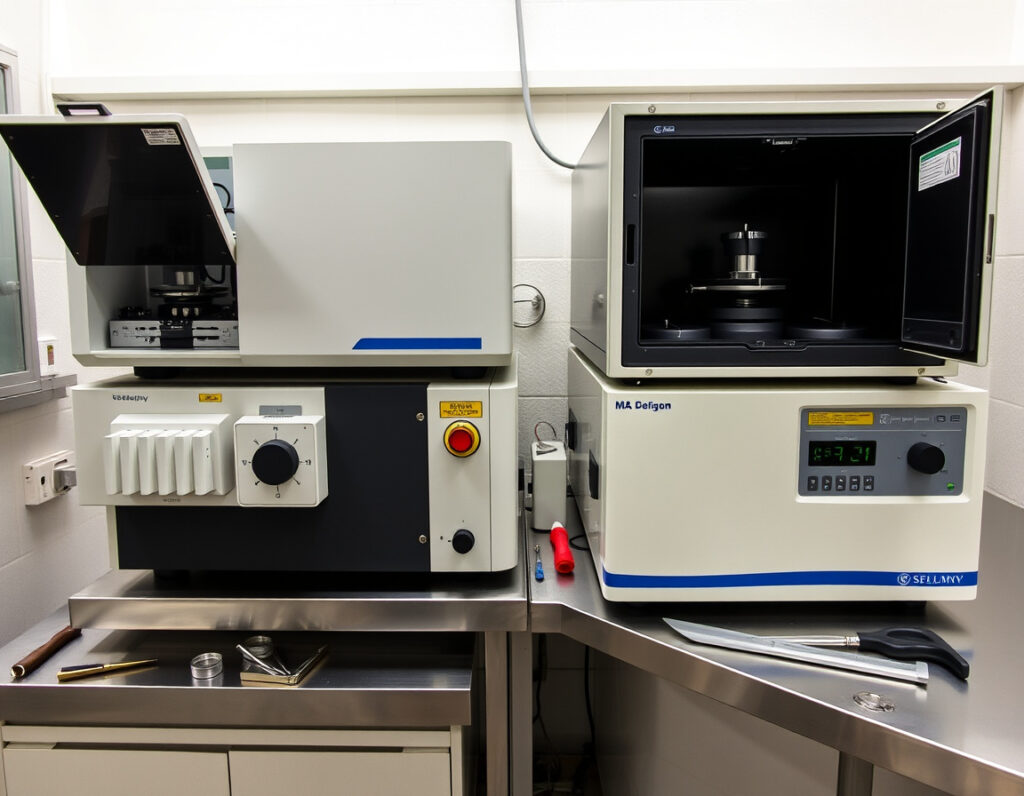
Labs in the greater Littleton and South Metro Denver corridor upgrade instruments regularly, and the surplus equipment that results has real market value. The problem is that most lab managers don’t know how to capture that value efficiently. Equipment that sits unused near West Hampden Avenue or in facilities off South Santa Fe Drive loses value month by month as newer models enter the used market.
The process of selling refurbished laboratory equipment back into the market is straightforward when you work with a buyer who handles the logistics. The first step is documenting what you have: model numbers, serial numbers, last calibration date, and any service records you can locate. Systems with complete documentation sell faster and at better prices. A reconditioned agilent gc ms system with a full service history is worth meaningfully more than the same model with a blank paper trail.
After documentation, a qualified buyer will assess the instrument’s current condition, often remotely via photos and performance logs before arranging pickup. If you’re ready to sell your Agilent equipment, the process moves faster than most lab managers expect, often completing within two to three weeks from first contact to pickup. For the full catalog of what’s in demand right now, the laboratory instruments listing gives a clear picture of which platforms are actively being bought and refurbished.
What Buyers Look For in Colorado Lab Equipment
Buyers evaluating equipment from high-altitude labs pay close attention to a few specific things. Pump condition is examined carefully because roughing pumps in Colorado facilities accumulate wear faster, as noted above. Inlet seals and column connections are checked for altitude-related stress cracking. Electronic boards are inspected for corrosion patterns consistent with humidity cycling. None of this disqualifies equipment from resale, but it does factor into valuation.
Plant testing for instruments that were used in environmental or agricultural applications often adds documentation requirements. Colorado’s cannabis testing, water quality, and soil analysis industries generate a steady stream of used instruments, and buyers in this niche expect clear method records alongside the hardware. Instruments used for plant testing workflows are in particularly high demand right now given the continued growth of regulated testing programs across the state.
Labs curious about current pricing can review the pricing page to understand how valuations are structured before initiating a conversation.
Choosing the Right Instrument Configuration for Colorado Lab Conditions
When sourcing replacement or expansion instruments for a facility in this area, instrument configuration matters as much as brand. The Agilent Technologies 1260 Infinity II HPLC Systems handle mobile phase degassing more aggressively than older 1100-series platforms, which makes them a better fit for high-altitude labs running aqueous gradients. The difference isn’t dramatic at sea level but becomes noticeable above 5,000 feet when you’re trying to hold a stable baseline across a long sequence.
For mass spec work, labs should evaluate whether their target applications benefit more from a single quadrupole, triple quad, or high-resolution platform. The Agilent Technologies 6495 Triple Quad LC/MS offers the sensitivity floor that environmental and food safety labs in Colorado typically require, especially when matrix complexity is high. Getting the configuration right at the start avoids expensive retrofits six months later.
Altitude also affects the calibration intervals recommended for certain detector types. The refurbished Agilent 5977B mass spectrometer, for example, should have its tune verified after any major elevation change during shipping, not just at the destination facility. Any instrument that travels from a coastal warehouse to a Colorado lab has crossed a significant pressure gradient in transit, and a post-delivery tune check is standard practice for experienced operators.
Colorado’s scientific community deserves resources that reflect actual operating conditions in this region. For more context on elevation’s effects on laboratory environments, the National Institute of Standards and Technology laboratory resources provide calibration and measurement guidance that applies directly to high-altitude facilities.
Frequently Asked Questions
Does altitude in the Littleton area actually require different maintenance schedules for analytical instruments?
Yes, noticeably so. Vacuum-based instruments like GC/MS systems experience different pump load profiles at elevations above 5,000 feet, which shortens oil change intervals and can affect detector vacuum levels. HPLC systems deal with accelerated mobile phase degassing. Both issues are correctable with adjusted service timing, but they won’t resolve on their own if you’re following a standard sea-level schedule.
How do I know if a refurbished instrument has been tested for high-altitude operation before delivery?
Ask the supplier directly whether the instrument was re-tuned or re-calibrated after inspection, and whether the technician who performed the work has experience with high-altitude deployments. A supplier who can provide a post-refurbishment performance report with ion ratios, sensitivity benchmarks, and vacuum readings gives you a baseline to compare against after installation. If those records don’t exist, treat the first weeks of operation as an extended commissioning period and verify performance yourself.
What documentation should I gather before selling surplus lab equipment from my Colorado facility?
At minimum, collect the model number, serial number, purchase date or approximate age, last service or calibration date, and any method files or logbooks associated with the instrument. If the equipment was used in a regulated testing environment, include any compliance records or usage logs. Complete documentation consistently results in faster sales and higher offers because it reduces the buyer’s risk assessment time significantly.
Labs in the South Metro Denver corridor and the communities around Littleton have specific needs that generic equipment suppliers rarely address. Analytical Instrument Management works with lab managers across the region to source, refurbish, and evaluate instruments that fit both the analytical requirements and the environmental realities of Colorado lab operations. Whether you’re sourcing a replacement platform or looking to offload surplus hardware, the team at Analytical Instrument Management brings direct experience with the instruments and conditions that matter here. Reach out through the website to start a conversation about your specific instrument needs. More details about the full range of available systems can be found on the HPLC systems catalog page. Local labs near Littleton, Colorado have a resource they can count on for both hardware and regional expertise.